

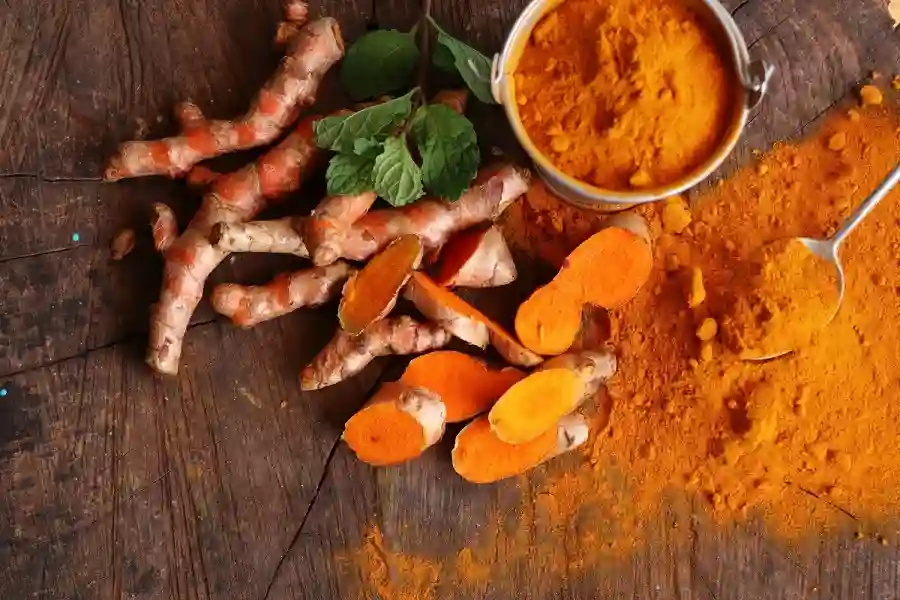
Often called “the golden spice,” turmeric is globally recognized for its vibrant color, distinct flavor, and immense health benefits. For an importer, the key to success lies in sourcing a product that excels in all these areas, and Iranian Turmeric consistently delivers on that promise. Its intense hue and high curcumin levels set it apart from mass-produced alternatives. This guide will delve into the unique characteristics that make this spice a superior choice, explore its vast market potential, and provide practical advice for sourcing high-quality Iranian Turmeric.
What Makes Iranian Turmeric a Premium Choice?
While India is the largest producer of turmeric, Iran’s unique climate and fertile soil contribute to a product with a distinct and sought-after profile. The country’s growers have perfected cultivation methods that maximize the spice’s most valuable components. For an importer, understanding these superior attributes is key to marketing a product that stands out in a crowded marketplace. The quality of Iranian Turmeric is not just a claim; it is a measurable reality rooted in its chemical composition and sensory characteristics, making it a truly premium offering.
The Power of Color: Deep Hue and High Curcumin Content
The most significant quality marker for turmeric is its curcumin content. Curcumin is the active compound responsible for both the spice’s brilliant golden-orange color and its powerful anti-inflammatory and antioxidant properties. Iranian Turmeric is renowned for its naturally high levels of curcumin, often visibly apparent in its deep, rich color. Unlike pale, yellow varieties that may be lower in quality or even adulterated, this product offers an authentic, intense hue that signals potency. This high curcumin content not only makes it more desirable for health-conscious consumers but also more effective as a natural food colorant, allowing you to use less product for a greater impact.
A Distinctive Earthy Flavor Profile
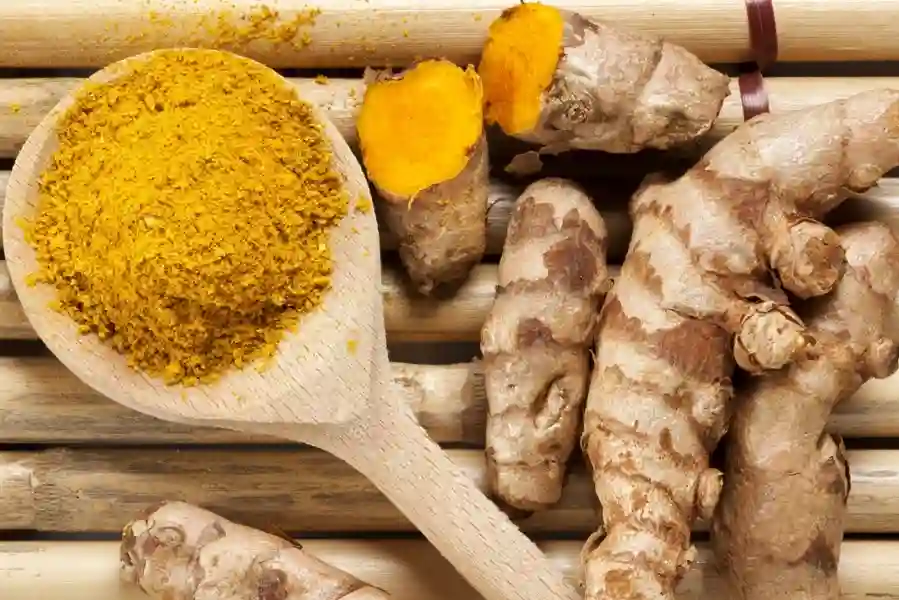
Beyond its visual appeal, the flavor of Iranian Turmeric is robust and complex. It possesses a characteristic warm, earthy taste with a peppery and slightly bitter undertone that adds depth to culinary creations. This profile is a sign of a well-grown and properly cured rhizome. Inferior turmeric can often taste dusty or chalky, contributing little more than color to a dish. The distinct and potent flavor of genuine Iranian Turmeric ensures that it is not just a coloring agent but a true flavor enhancer, a quality that chefs and food manufacturers highly value. This makes it an indispensable ingredient in a wide range of global cuisines.
From Fresh Rhizome to Fine Powder: Processing Standards for Iranian Turmeric
The journey from a freshly harvested rhizome to a fine, aromatic powder is critical for preserving quality. In Iran, producers follow meticulous post-harvest procedures. The rhizomes are carefully boiled, then slowly dried under controlled conditions to lock in the curcumin, color, and flavor. This slow drying process prevents the volatile oils from evaporating and ensures a long shelf life. Once dried, the turmeric is ground into a fine, consistent powder, free of clumps. This attention to detail during processing guarantees that the Iranian Turmeric you import retains all the premium qualities it had at the moment of harvest.
Why Iranian Turmeric is a Smart Addition to Your Product Line?
Adding a new product to your import portfolio is a strategic decision that requires careful consideration of market trends, profitability, and versatility. Iranian Turmeric excels in all these areas, making it a commercially intelligent choice for any spice importer. Its appeal extends beyond traditional food markets, opening doors to rapidly growing industries. The business case for this golden spice is built on a foundation of strong consumer demand, favorable economics, and diverse applications, ensuring a solid return on investment for your business.
Meeting the Global Demand in Food and Nutraceuticals
The demand for natural and functional ingredients is surging worldwide, and Iranian Turmeric is perfectly positioned to meet this trend. In the food industry, it serves as a natural alternative to artificial yellow dyes in products like mustard, cheese, and beverages. At the same time, the wellness boom has propelled turmeric into the spotlight. Its high curcumin content makes it a star ingredient in the nutraceutical sector, used in dietary supplements, capsules, and health drinks. By sourcing high-quality Iranian Turmeric, you can cater to both the food manufacturing and the lucrative health and wellness markets.

The Economic Advantage of Sourcing Genuine Iranian Turmeric
Directly sourcing from a country of origin like Iran offers significant economic benefits. By bypassing international distributors and middlemen, importers can secure a premium product at a highly competitive price. This direct-sourcing model widens your profit margin considerably. Moreover, the superior quality of Iranian Turmeric, particularly its high curcumin content, justifies a premium market price, further enhancing profitability. Your business can build a reputation for supplying top-tier Persian spices, attracting discerning B2B clients who are willing to pay for guaranteed quality. This creates a sustainable business model based on value, not just volume.
Applications Beyond the Kitchen: Natural Dyes and Cosmetics
The intense and stable color of Iranian Turmeric makes it a valuable raw material in industries beyond food and supplements. The textile industry is increasingly looking for sustainable, natural dyes, and turmeric provides a beautiful and eco-friendly yellow pigment for fabrics. Similarly, in the cosmetics world, turmeric is used in face masks, creams, and soaps for its purported anti-inflammatory and skin-brightening properties. This wide range of applications de-risks your investment, allowing you to market your imported Iranian Turmeric to a diverse portfolio of industrial clients and tap into niche, high-growth markets.
A Step-by-Step Guide for Importing High-Grade Iranian Turmeric
Importing spices successfully depends on a clear understanding of quality markers and logistical best practices. For a product like Iranian Turmeric, where quality is directly tied to its physical and chemical properties, this knowledge is your best asset. This guide provides importers with the essential, practical steps needed to assess product quality, choose the right form for their needs, and ensure the product’s potency is preserved throughout the shipping process. Mastering these steps will help you source a consistently superior product batch after batch.
Quality Assessment: What to Look for in a Premium Batch
When evaluating samples of Iranian Turmeric, focus on a few key sensory and physical characteristics. These indicators will help you verify the quality before committing to a large order. A reliable supplier will gladly provide samples for you to inspect based on these criteria:
- Color and Aroma: Look for a deep, golden-orange color. A pale yellow can indicate low quality or age. The aroma should be strong, earthy, and slightly peppery
- Texture (for powder): The powder should be fine and uniform, without any lumps, which could indicate moisture content or poor grinding
- Taste: A small taste should reveal a warm, slightly bitter, and robust flavor. It should not taste chalky or dull
- Purity: Visually inspect for any foreign matter. A high-quality batch will be clean and consist of pure ground turmeric
Navigating Grades and Forms: Fingers, Bulbs, and Powder
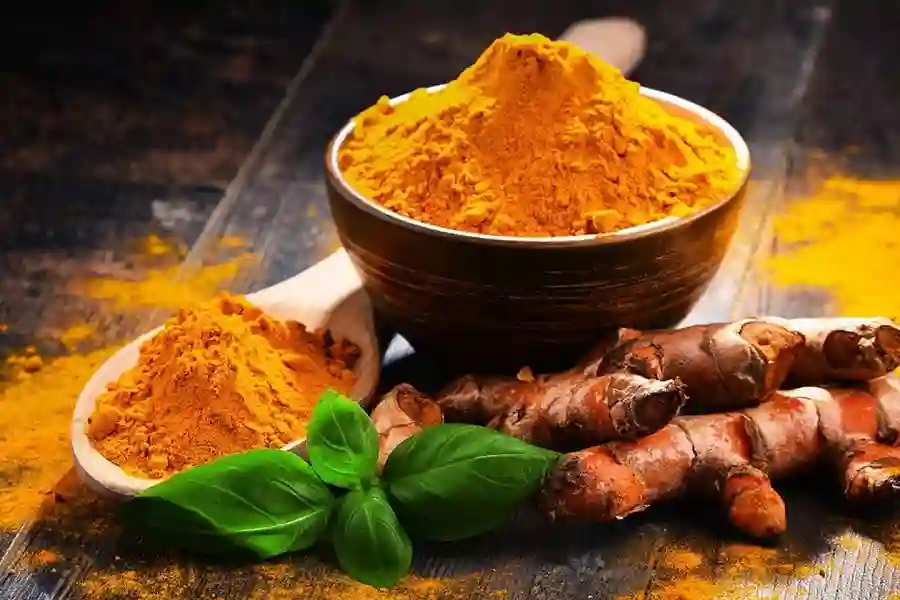
Iranian Turmeric is available in several forms, and choosing the right one depends on your end-use. “Fingers” are the long, secondary rhizomes, which are considered high-quality and are often ground by importers themselves to guarantee purity. “Bulbs” are the rounder, central rhizomes; they are also good quality but may have a slightly milder profile. Finally, pre-ground powder offers the most convenience for manufacturers. Discussing your specific needs with your supplier will help determine whether whole fingers, bulbs, or a finely ground powder is the best option for your business.
Best Practices for Packaging to Preserve Potency
Turmeric’s value lies in its color and curcumin content, both of which can degrade when exposed to light, air, and moisture. Proper packaging is therefore crucial to protect your investment. When placing an order for Iranian Turmeric, ensure your supplier follows these essential packaging standards:
- Moisture-Proof Materials: The product should be packed in multi-layer bags with a food-grade inner lining to prevent moisture absorption
- Light and Air Protection: Opaque and airtight packaging is essential. Vacuum-sealing is an excellent option for smaller quantities to maximize freshness
- Durable Outer Packaging: For bulk shipments, strong woven polypropylene (PP) bags are standard, protecting the product during transit
- Clear Labeling: Every bag must be clearly labeled with the product grade, net weight, production date, and batch number for easy traceability
Partner with Tehran Offers for Your Iranian Turmeric Supply
From its vibrant color and high curcumin content to its diverse applications and strong market demand, Iranian Turmeric is a golden opportunity for importers. It is a product that promises quality and delivers profitability. Successfully tapping into this market requires a reliable partner on the ground in Iran. Tehran Offers is your direct link to the country’s most reputable turmeric producers. We manage the entire sourcing process, from quality verification to logistics, ensuring a seamless and secure supply chain for your business.
Frequently Asked Questions
What is the main quality indicator for Iranian Turmeric?
The primary indicators are its deep, vibrant golden-orange color and high curcumin content, which give it potent flavor and health benefits.
Can I import both whole turmeric and powder from Iran?
Absolutely. Suppliers offer turmeric in various forms, including whole fingers, bulbs, and finely ground powder to suit different industrial needs.
How is the turmeric protected during shipping?
It is shipped in multi-layer, airtight, and opaque packaging to protect it from moisture, light, and air, preserving its color, flavor, and potency.











Join The Discussion