

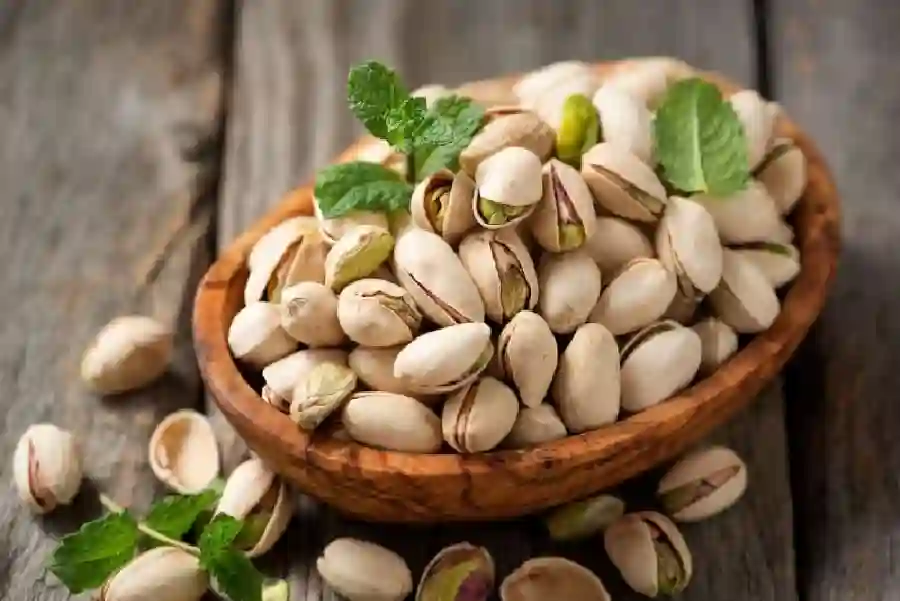
Persian Pistachio has long been a preferred choice for buyers who focus on flavor depth, visual appeal, and trade flexibility. Grown in specific regions of Iran, Persian Pistachio offers qualities that stand apart in international markets. Importers searching for consistent supply and strong consumer recognition often turn to Persian Pistachio for both retail and industrial use. From orchards to export terminals, Persian Pistachio reflects careful cultivation and experienced handling. For buyers working with trusted platforms such as Tehran Offers, sourcing Persian Pistachio becomes a structured and reliable process that supports long-term trade growth.
Why Persian Pistachio Holds a Strong Position in Global Trade?
Persian Pistachio has been traded for centuries across Asia, Europe, and the Middle East. Merchants valued its rich taste, natural color, and long shelf stability. This history built trust among buyers, making Persian Pistachio a familiar product in many markets. Importers still rely on this reputation when introducing premium pistachios to distributors and retailers.
Current Market Demand for Persian Pistachio
Global demand for Persian Pistachio remains strong in snack, confectionery, and bakery segments. Buyers appreciate its versatility across salted, roasted, and raw formats. Persian Pistachio also attracts premium branding due to its distinctive appearance and taste profile, which helps importers position it competitively.
Key Features and Advantages of Persian Pistachio
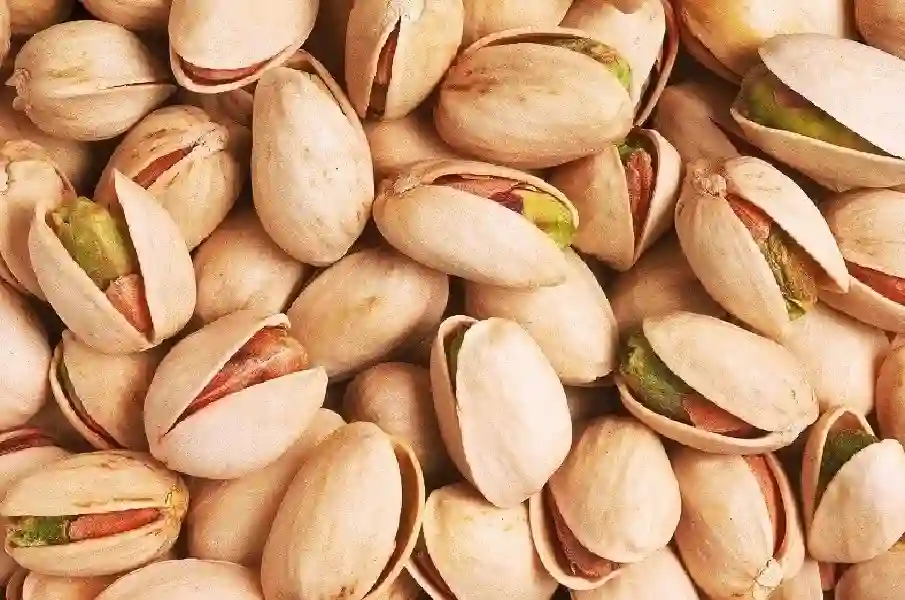
Persian Pistachio stands out in global markets for its balanced flavor, natural sweetness, and rich aroma. The nut contains high levels of healthy fats, protein, and essential nutrients, making it appealing for both direct consumption and inclusion in food products. Importers often highlight its consistency in taste across different batches, which allows processors and retailers to maintain a uniform flavor experience for consumers. This combination of taste and nutrition strengthens Persian Pistachio’s position as a premium product in diverse markets.
Versatile Culinary Applications
Persian Pistachio is highly versatile and fits a wide range of food categories. Its firm kernels and appealing green color make it ideal for confectionery, bakery, ice cream, and snack products. Chefs and food manufacturers value Persian Pistachio for its ability to complement sweet and savory recipes without overpowering other ingredients. For importers, this versatility translates into broader market opportunities, as the product can cater to retail, industrial, and gourmet segments simultaneously.
Consistent Quality and Post-Harvest Handling
The quality of Persian Pistachio is maintained through meticulous post-harvest practices, including careful drying, sorting, and grading. Export-grade pistachios are checked for size, shell integrity, and moisture content, ensuring that they meet international standards. This attention to detail allows importers to confidently source Persian Pistachio for premium markets. Controlled packaging options, such as vacuum-sealed bags or bulk cartons, further preserve freshness and prevent spoilage during transport, reinforcing the product’s reliability and appeal.
Persian Pistachio Growing Regions and Natural Advantages
Persian Pistachio is mainly grown in provinces such as Kerman, Yazd, and Khorasan. These areas produce different kernel sizes and shell characteristics. Importers often choose regions based on market needs, whether they prefer larger kernels or brighter shell color. Regional diversity allows Persian Pistachio to meet various buyer preferences.
Climate and Soil Effects on Persian Pistachio Quality
Dry climates, low rainfall, and mineral-rich soils shape Persian Pistachio quality. These natural conditions help produce firm kernels with strong aroma. Importers note that Persian Pistachio maintains its structure during shipping, reducing breakage and waste in destination markets.
Popular Persian Pistachio Varieties for Export Markets
Kalleh Ghouchi is known for its large size and round shape. Importers often select this Persian Pistachio variety for premium packaging and gift markets. Its visual impact supports higher price points, especially in regions where appearance drives consumer choice.
Ahmad Aghaei and Akbari Varieties Explained
Ahmad Aghaei offers an elongated shape with a light shell, while Akbari stands out for its size and elegant look. Both Persian Pistachio varieties suit export markets that value uniformity and presentation. Importers frequently include these types in mixed pistachio assortments.
Quality Characteristics of Export-Grade Persian Pistachio
Export-grade Persian Pistachio meets specific size and color standards. Bright shells and green kernels signal freshness. Flavor remains balanced, allowing Persian Pistachio to suit both direct consumption and food processing applications.
Moisture Levels and Aflatoxin Control
Moisture control is central to Persian Pistachio exports. Proper drying and testing reduce aflatoxin risks. Importers often request lab reports to confirm compliance with destination standards, ensuring safe and smooth customs clearance.
Processing and Packaging of Persian Pistachio for Export
Persian Pistachio harvesting follows seasonal timing to avoid kernel damage. After harvest, pistachios are dried and sorted using both manual and automated systems. These steps help maintain uniformity and reduce defects in export shipments.
Export Packaging Options for Persian Pistachio
Packaging choices depend on buyer needs and regulations. Common options include bulk cartons, vacuum-sealed bags, and branded retail packs. Persian Pistachio packaging often includes neutral labeling tailored to importer instructions.
Persian Pistachio Compared with Other Global Origins
Persian Pistachio differs from American pistachios in taste intensity and visual character. While American products dominate volume, Persian Pistachio offers niche appeal. Importers often use Persian Pistachio to diversify supply and reduce dependency on a single origin.
Pricing, Taste, and Shelf Stability Comparison
Persian Pistachio balances competitive pricing with stable shelf life. Its natural oil content supports long storage when handled correctly. Importers value this balance for maintaining profit margins.
Import Regulations and Compliance for Persian Pistachio
Persian Pistachio exports typically include phytosanitary certificates, certificates of origin, and quality inspection reports. Importers should align documentation with local regulations before shipment.
Labeling and Customs Considerations
Labeling rules vary by destination, covering weight, origin, and shelf life. Persian Pistachio suppliers often customize labels to meet importer guidelines, helping reduce clearance delays.
Shipping and Logistics for Persian Pistachio Imports
Sea freight suits large volumes of Persian Pistachio due to cost efficiency. Air freight works for urgent or sample shipments. Importers choose based on timeline and budget. Low humidity and proper ventilation help preserve Persian Pistachio quality during transit. Containers are selected to reduce moisture exposure and temperature fluctuation.
Enhancing Profitability and Market Reach with Persian Pistachio
Persian Pistachio exporters provide buyers with adaptable order sizes that suit both small distributors and large-scale wholesalers. Importers can request pilot shipments for market testing before committing to bulk purchases. This flexibility allows buyers to gauge consumer response, optimize inventory, and manage cash flow. Smaller importers benefit from access to high-quality pistachios without the pressure of large minimum orders, while larger buyers enjoy streamlined procurement for continuous supply.
Customized Processing to Meet Market Demands
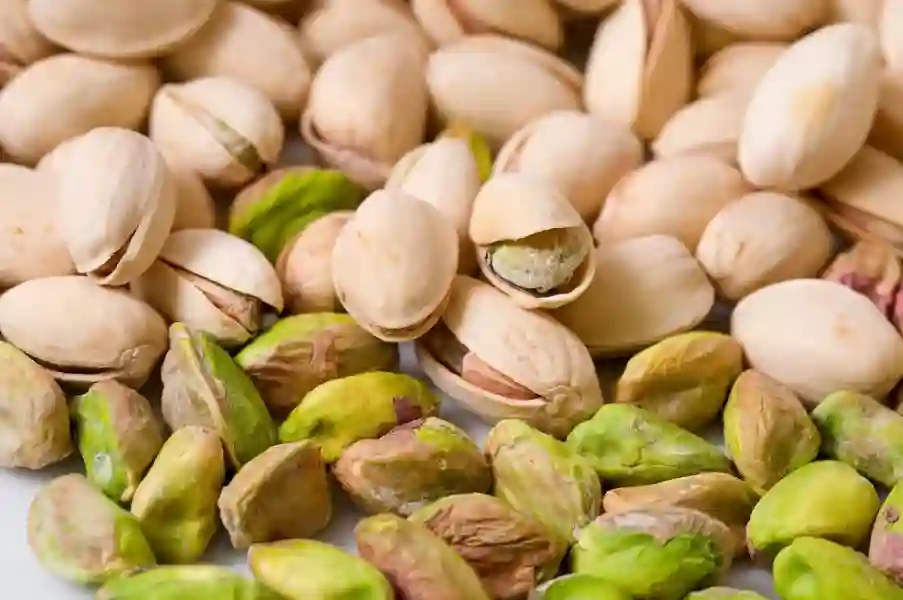
Processing options for Persian Pistachio vary according to importer requirements. Blanching, shell removal, roasting, and size grading can all be tailored to specific markets. Some importers focus on raw pistachios for industrial use, while others prefer pre-packaged or roasted varieties for retail shelves. Tehran Offers connects buyers with suppliers capable of customizing Persian Pistachio handling to align with regional consumer preferences and packaging standards.
Packaging and Presentation for Retail Advantage
Packaging plays a critical role in market success for Persian Pistachio. Exporters offer bulk cartons for industrial clients, vacuum-sealed bags for long shelf life, and branded retail packs for end-consumer appeal. Importers often collaborate with suppliers to design labeling that meets local compliance requirements and marketing goals. Well-presented Persian Pistachio not only preserves quality during transit but also enhances visibility and premium positioning in target markets.
Expanding Market Reach Through Verified Supply Chains
Reliable sourcing is essential to expand sales and reduce risk. Persian Pistachio buyers benefit from working with verified Iranian exporters through platforms like Tehran Offers. Verified suppliers ensure consistent quality, compliance with phytosanitary regulations, and timely communication. Importers can explore additional products such as “Persian nuts” while maintaining a single point of contact for multiple sourcing needs. This approach simplifies logistics, strengthens buyer confidence, and enables long-term relationships that support growth in competitive markets.
Sourcing Persian Pistachio with Trusted Tehran Offers Suppliers
Importers should review export history, certifications, and sample quality. Clear communication and pricing transparency signal reliability in Persian Pistachio suppliers. Tehran Offers connects global buyers with verified Iranian exporters. Through Tehran Offers, importers can also explore related products such as Persian nuts while managing sourcing with confidence.
Persian Pistachio offers importers flavor depth, market recognition, and sourcing flexibility. By working with experienced suppliers and platforms like Tehran Offers, buyers can secure stable supply chains. Explore sourcing options, request product details, and build partnerships that support sustainable growth in your market.
Frequently Asked Questions
Is Persian Pistachio suitable for retail sales?
Yes, it suits retail packaging due to its appearance and taste.
What is the shelf life of Persian Pistachio?
Typically 9 to 12 months under proper storage.
Can Tehran Offers help find verified suppliers?
Yes, Tehran Offers supports buyer-supplier connections.











Join The Discussion