

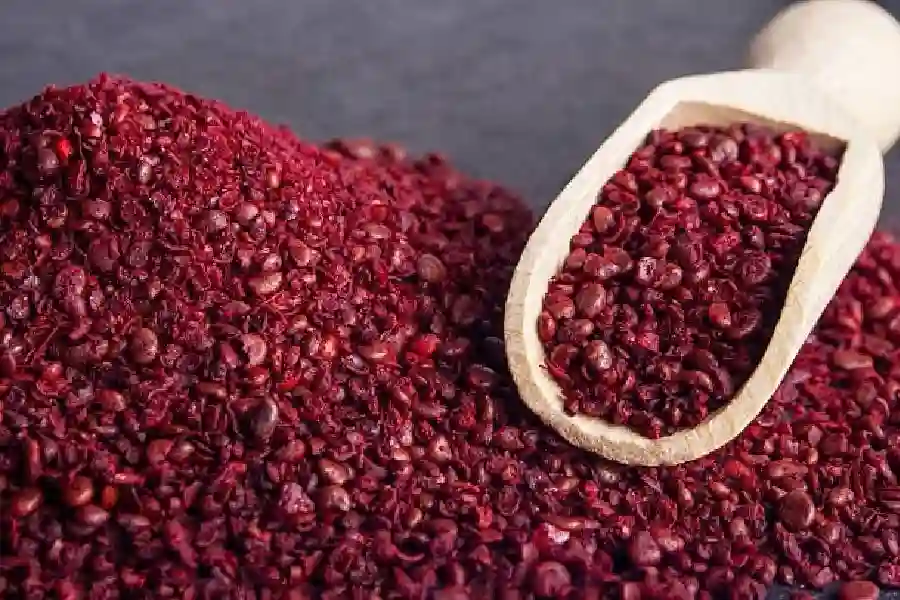
Persian Sumac has steadily gained recognition among global food importers who seek a combination of bold flavor, natural color, and authentic culinary identity. Celebrated for its tangy taste and deep red hue, Persian Sumac enhances a variety of cuisines while preserving the essence of traditional Iranian cooking. Buyers sourcing Persian Sumac prioritize consistent quality, origin transparency, and reliable supply chains. The spice is increasingly featured in premium food products, from gourmet restaurants to retail spice blends, reflecting growing international demand.
Sourced from both wild and cultivated plants throughout Iran, Persian Sumac embodies regional expertise, careful harvesting, and traditional handling practices. These practices ensure that the spice retains its flavor integrity, aroma, and natural pigmentation throughout processing and shipment. For importers working with trusted platforms like Tehran Offers, Persian Sumac provides an opportunity to expand spice portfolios with a product that stands apart in quality and market appeal, offering both retail and industrial applications.
Why Persian Sumac Attracts International Buyers?
Persian Sumac has become a preferred choice for buyers who value originality, quality assurance, and stable sourcing in the global spice trade. Its distinctive characteristics provide a competitive edge for importers looking to differentiate their product offerings in crowded markets.
The Unique Identity of Persian Sumac
Persian Sumac is prized for its clean sourness and vivid red color, achieved without artificial acids or additives. Unlike blended substitutes that dilute flavor, this spice delivers a genuine taste that chefs and food brands appreciate. Importers often select Persian Sumac for its ability to enhance dishes such as grilled meats, salads, and marinades without overpowering other ingredients. Its versatility makes it suitable for both traditional Middle Eastern recipes and modern culinary innovations. Retailers also find that the spice’s authentic profile helps create premium product lines that attract discerning consumers.
Market Demand for Persian Sumac in Global Cuisine
Demand for Persian Sumac continues to grow alongside rising interest in Middle Eastern and Mediterranean flavors worldwide. Restaurants, spice brands, and food manufacturers integrate Persian Sumac into their menus and packaged products, making it a key ingredient in recipes requiring bright acidity and aromatic depth. This popularity supports predictable import volumes and enables buyers to plan long-term sourcing strategies confidently. Additionally, Persian Sumac appeals to markets that focus on natural, additive-free ingredients, giving importers an opportunity to promote both taste and health benefits.
Innovative Uses of Persian Sumac Across Industries
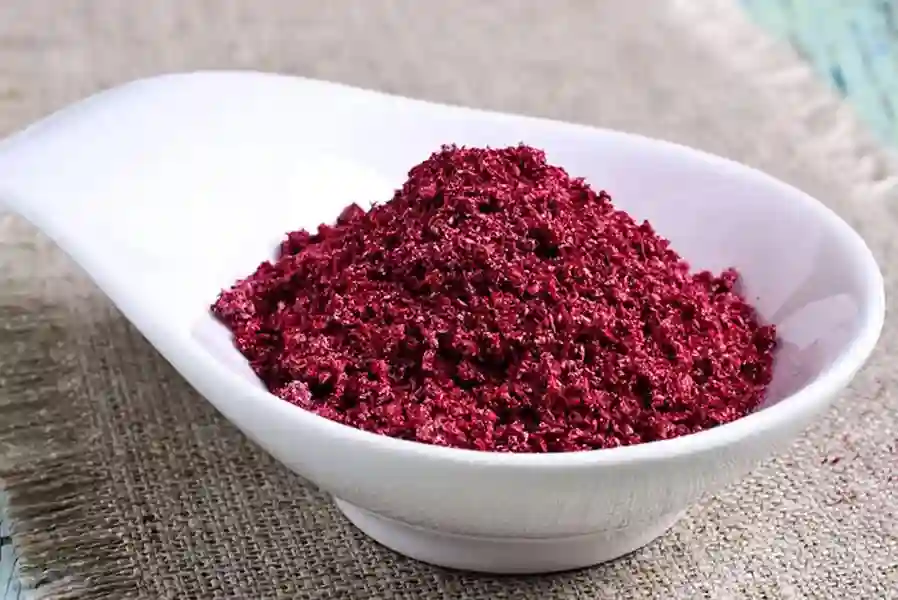
Persian Sumac is not limited to traditional dishes. Chefs and food manufacturers experiment with it in sauces, beverages, and fusion cuisines. Its natural tartness enhances marinades, dressings, and even desserts, providing a unique flavor dimension. Importers can market it as a versatile ingredient for modern culinary applications.
Health and Nutraceutical Applications
Beyond taste, Persian Sumac contains antioxidants and organic compounds that contribute to wellness. Food supplement producers and health-conscious brands integrate it into powders, teas, and functional products. Importers seeking value-added products can promote Persian Sumac as both a flavorful and beneficial spice.
Cosmetic and Fragrance Potential
Persian Sumac’s aromatic properties extend to non-food uses. Extracts can be utilized in natural cosmetics and fragrance products. Its vibrant color and organic profile appeal to manufacturers aiming for eco-friendly, culturally inspired product lines. Importers exploring alternative markets can leverage these innovative applications to diversify revenue streams.
Persian Sumac Growing Regions and Natural Conditions
Iran’s diverse landscape allows sumac plants to thrive in a variety of climates and soils, producing berries with unique sensory qualities. The western and northwestern provinces, often mountainous, provide ideal environments for wild harvesting. These regions yield berries with concentrated aroma, stable acidity, and consistent coloring, ensuring that Persian Sumac maintains its quality during storage and shipment. Importers associate these regions with authentic flavor and reliable supply, helping them secure a competitive edge in international markets..
Types and Forms of Persian Sumac for Export
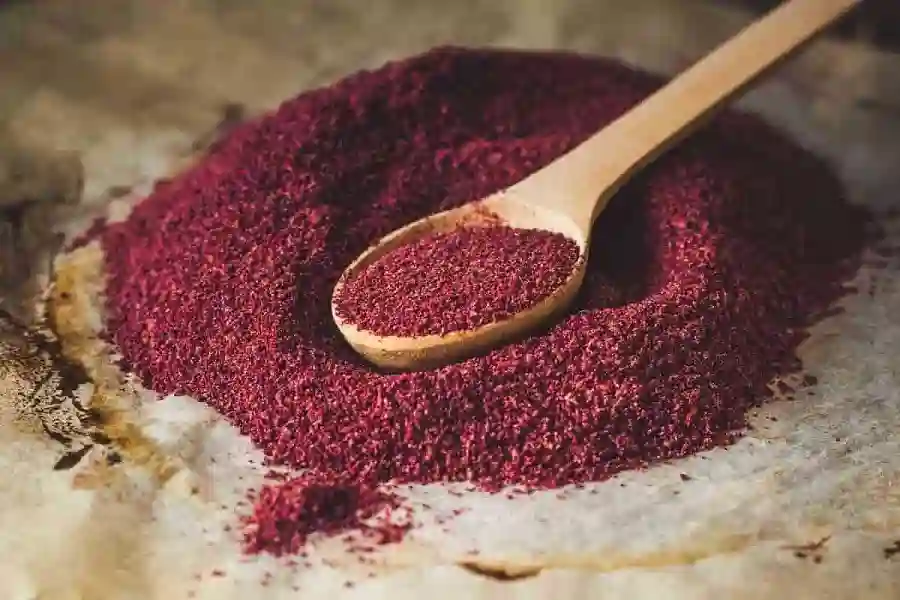
The form in which Persian Sumac is exported impacts shelf life, usability, and market appeal. Suppliers offer both whole berries and finely ground options, catering to diverse culinary and commercial requirements.
Whole Berries vs Ground Persian Sumac
Whole sumac berries retain their quality longer than pre-ground spice and provide flexibility for grinding according to market needs. Ground Persian Sumac, on the other hand, is ready for immediate retail or food service use. Importers select the form based on processing capacity, intended application, and packaging strategy. Bulk or small-scale buyers alike benefit from this flexibility, as they can match the product precisely to consumer or industrial demand.
Flavor Profile and Color Standards of Persian Sumac
Export-grade Persian Sumac is carefully assessed for sourness, aroma, and deep red coloration. Uniformity in granulation and color signals freshness and quality, which are essential for maintaining market reputation. Importers frequently request samples to evaluate flavor intensity, acidity, and visual appeal before confirming larger shipments, ensuring that Persian Sumac meets both culinary and retail standards consistently.
Quality Standards of Export-Grade Persian Sumac
Maintaining export quality requires strict control measures. Purity, granulation, and moisture levels are monitored to prevent clumping, spoilage, and flavor loss. Suppliers conduct hygiene checks, residue testing, and ensure that processing facilities meet international food safety standards. These measures provide importers with confidence in sourcing Persian Sumac and help streamline compliance with local regulations at the destination market.
Processing, Packaging, and Market Readiness of Persian Sumac
Persian Sumac’s journey from harvest to the international market involves detailed steps to preserve its distinctive characteristics and ensure buyer satisfaction.
Harvesting, Drying, and Grinding Process
Seasonal harvesting schedules help maintain berry integrity. After collection, berries undergo drying under controlled conditions to prevent microbial growth and preserve natural color. Grinding is performed where required, producing a fine, consistent powder suitable for retail and industrial applications. These steps ensure that Persian Sumac retains its aroma, acidity, and visual appeal across different export batches.
Export Packaging Options for Persian Sumac
Packaging plays a critical role in quality retention. Persian Sumac is shipped in bulk cartons, vacuum-sealed bags, or branded retail packs according to importer preferences. Neutral labeling allows easy adaptation to local regulations and marketing goals, while airtight sealing prevents moisture uptake and preserves freshness during long-distance transport.
Persian Sumac Compared to Other Global Sumac Origins
Persian Sumac often surpasses competitors from Turkey and the broader Mediterranean in flavor intensity, color vibrancy, and overall quality. Importers seeking distinctive taste profiles prefer Persian Sumac for premium dishes, commercial spice blends, and gourmet food products. Its concentrated flavor allows for lower usage per serving, supporting cost efficiency and stronger consumer satisfaction in international markets.
Product Features and Advantages Driving Persian Sumac Demand
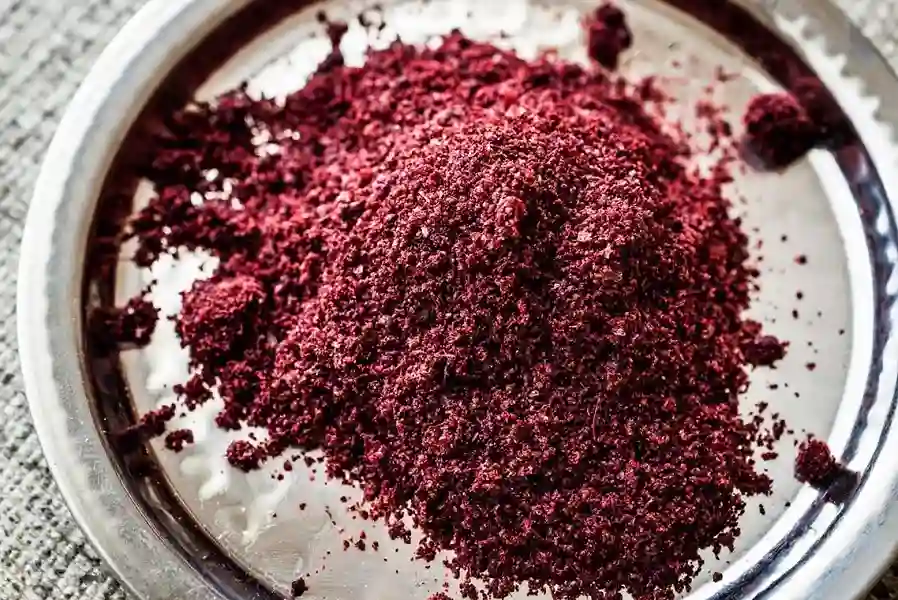
Persian Sumac is naturally rich in antioxidants, vitamins, and dietary fiber. These nutritional attributes make it a desirable ingredient for health-conscious consumers. Its clean, additive-free composition aligns with the growing demand for natural spices in processed foods, restaurant dishes, and retail products.
Culinary Flexibility and Creative Applications
The tangy, aromatic profile of Persian Sumac allows it to complement a wide range of recipes. It works seamlessly in meat rubs, salad dressings, rice dishes, and beverage infusions. Importers can market the spice to both professional chefs and home cooks, expanding its reach across culinary sectors.
Shelf Stability and Storage Advantages
Properly dried and packaged Persian Sumac maintains flavor, color, and aroma for 12 to 18 months. Moisture control and airtight packaging ensure long shelf life during storage and shipment. This reliability makes Persian Sumac an attractive product for buyers who prioritize consistent quality over multiple import cycles.
Unlock Global Opportunities with Persian Sumac
Persian Sumac offers importers a unique combination of bold flavor, vibrant color, and consistent quality. By sourcing through reliable platforms like Tehran Offers, buyers gain access to verified suppliers, transparent pricing, and detailed product information. Expanding your spice portfolio with Persian spices allows your business to meet growing demand for Middle Eastern and Mediterranean flavors. Whether for retail packaging, food production, or gourmet applications, Persian Sumac delivers authenticity, reliability, and versatility.
Start exploring sourcing options today: request samples, compare quality, and establish long-term trade partnerships that enhance your product offerings. Persian Sumac is more than a spice—it’s an opportunity to bring a piece of Iranian culinary heritage to your market, supported by trusted suppliers and smooth logistics.
Frequently Asked Questions
Is Persian Sumac suitable for retail packaging?
Yes, Persian Sumac is ideal for retail when properly ground, dried, and sealed. Its bright red color and tangy flavor make it appealing on store shelves, while consistent quality ensures customer satisfaction. Retailers can also use Persian Sumac in pre-packaged spice blends for added market value.
What is the shelf life of Persian Sumac?
Persian Sumac maintains its quality for 12 to 18 months when stored in a cool, dry environment. Proper packaging and moisture control are essential to prevent flavor loss or clumping. Buyers often use vacuum-sealed or airtight retail packs to ensure maximum shelf stability.
Can Tehran Offers assist with supplier selection and export documentation?
Yes, Tehran Offers helps buyers connect with verified Iranian exporters of Persian Sumac. The platform also supports coordination of necessary export paperwork, including phytosanitary certificates, origin documents, and quality inspection reports, ensuring smooth and compliant imports.











Join The Discussion