

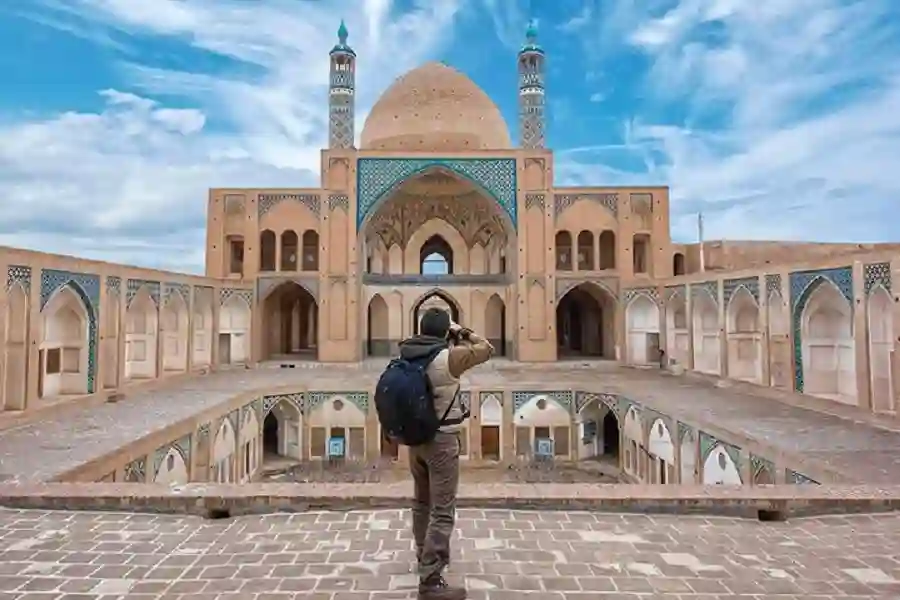
Iran cultural tourism offers a unique opportunity for travelers to explore a land where history, art, and tradition come together in a remarkable way. From ancient cities and UNESCO World Heritage sites to vibrant bazaars and local festivals, Iran cultural tourism allows visitors to experience the depth of Persian civilization while connecting with its warm and hospitable people. This journey is not just about sightseeing—it’s about immersing oneself in a culture that has shaped the region for millennia.
Historical Cities and Ancient Sites of Iran
Travelers who embark on Iran cultural tourism are often fascinated by the country’s breathtaking collection of historical cities and ancient sites. These destinations are not merely old ruins or preserved monuments—they are living testaments to the endurance of Persian civilization, which has thrived for thousands of years. By exploring them, visitors get the chance to step into the footsteps of ancient kings, poets, merchants, and architects, making their journey far more than a typical sightseeing trip. If you are seeking a travel experience that blends heritage, architecture, and stories passed down through generations, the following two historical cities and ancient sites will be the highlight of your adventure.
Persepolis and the Achaemenid Empire
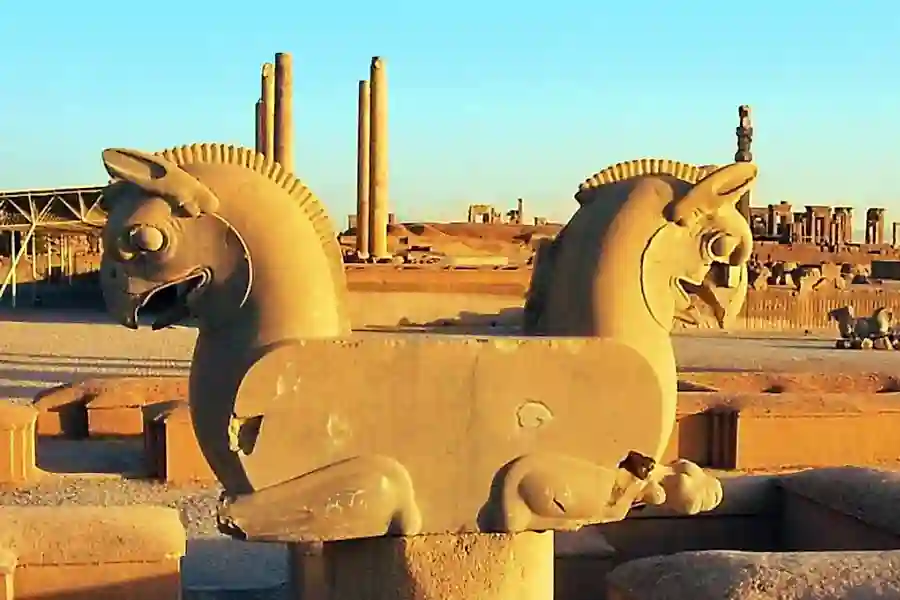
Persepolis, once the ceremonial capital of the mighty Achaemenid Empire, is one of the most iconic destinations in the world. Walking through its grand stone stairways, visitors can admire the magnificent bas-reliefs that depict ancient processions of dignitaries, warriors, and emissaries from across the empire. Each carving tells a story of cultural unity under Persian rule, while the towering columns remind travelers of the empire’s glory and power. Even though much of Persepolis was burned during the conquest of Alexander the Great, the ruins still radiate an aura of sophistication that transports visitors back to 500 BCE. It is an extraordinary site that makes Iran cultural tourism unforgettable.
The grandeur of Persepolis lies not only in its architecture but also in its symbolism. This city was designed as a showcase of Persian cultural dominance, where kings celebrated Nowruz and hosted delegates from around the known world. The details etched into its stone walls reflect the diversity of ancient Persia’s provinces, with depictions of people bringing gifts from India, Egypt, and Greece. Today, Persepolis remains a UNESCO World Heritage site, drawing in history lovers from all continents. Experiencing Persepolis in person allows travelers to understand why Iran tourism has become increasingly popular among those who seek authentic cultural encounters.
Isfahan: The City of Art and Architecture
Isfahan, often described as “Half of the World (Nesf-e Jahan),” is a city where art and architecture merge into a stunning cultural landscape. At the heart of the city lies Naqsh-e Jahan Square, a UNESCO World Heritage site surrounded by architectural marvels such as the Shah Mosque, Sheikh Lotfollah Mosque, and Ali Qapu Palace. Each of these monuments showcases exquisite tilework, intricate calligraphy, and awe-inspiring domes that reflect centuries of Persian creativity. Walking through the bazaars around the square, visitors encounter traditional crafts, aromatic spices, and the lively atmosphere of a city that has been a hub of trade and culture since the Safavid dynasty.
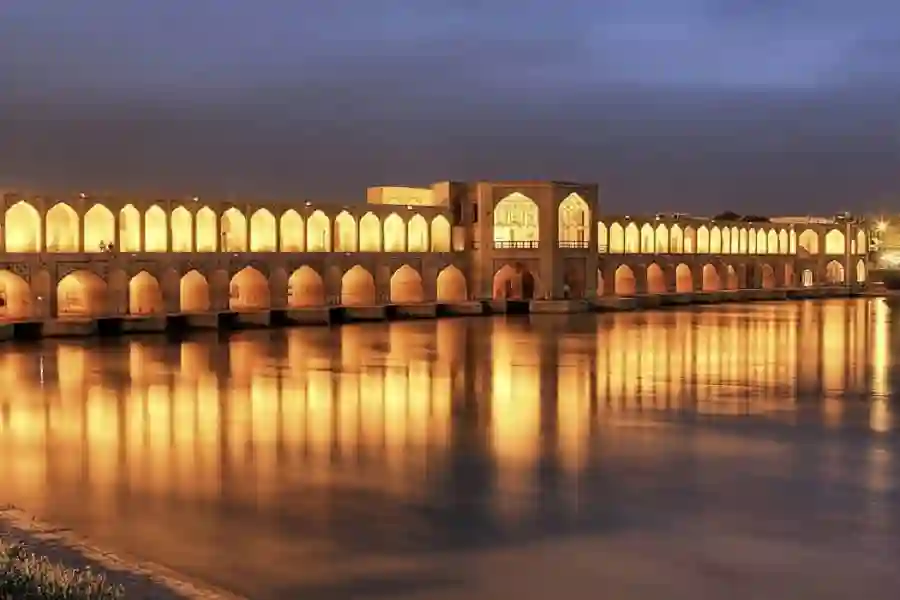
Beyond its famous landmarks, Isfahan captures the soul of Iran cultural tourism through its bridges and gardens. The Si-o-se-pol and Khaju bridges, illuminated at night, create a romantic setting where locals and travelers gather, sharing music and poetry under the moonlight. Persian gardens, designed with harmony and philosophy in mind, reflect the deep connection between nature and spirituality in Iranian culture. In every corner of Isfahan, the blending of art, daily life, and history provides travelers with a deeper understanding of why Iran has always been a land of beauty and inspiration.
Persian Art and Handicrafts
One of the most captivating aspects of Iran cultural tourism is the chance to explore Persian art and handicrafts, which embody centuries of tradition, skill, and creativity. Unlike mass-produced items, Iranian crafts carry unique stories that are tied to specific regions, families, and generations of artisans. Carpets woven in the villages of Kerman, pottery shaped in Kashan, or delicate miniatures painted in Isfahan are more than souvenirs—they are cultural treasures that reflect the values and identity of the Persian people. For travelers seeking meaningful keepsakes, these handicrafts are timeless windows into the spirit of Iran.
Carpet weaving is perhaps the most globally recognized Persian art form. Iranian carpets are not just floor coverings; they are masterpieces that take months, sometimes years, to complete. Each pattern is filled with symbolism, often inspired by gardens, mythology, or spiritual beliefs. From the intricate floral designs of Tabriz carpets to the geometric patterns of tribal rugs, the diversity is astonishing. Collectors around the world admire Persian carpets for their durability, beauty, and cultural depth. Engaging with a carpet-weaving workshop while traveling provides tourists a hands-on appreciation of the patience and artistry involved in every knot.
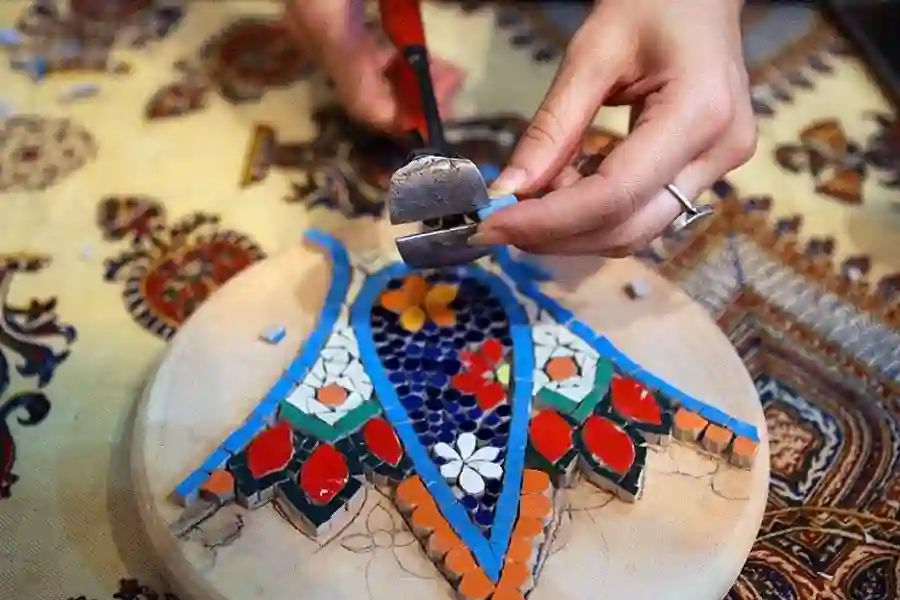
Beyond carpets, Persian art flourishes in miniature painting, pottery, calligraphy, and metalwork. Miniature paintings, with their vivid colors and detailed storytelling, often illustrate epic tales from Persian literature such as the Shahnameh. Pottery and ceramics, rooted in ancient traditions, display delicate glazes and designs that have influenced art across Asia. Calligraphy, regarded as a sacred art form, transforms words into flowing patterns that decorate mosques, manuscripts, and even everyday objects. Each of these crafts plays a role in sustaining cultural identity, and they remain a vital attraction for Iran cultural tourism, offering visitors both aesthetic pleasure and historical insight.
Festivals and Traditions in Iran
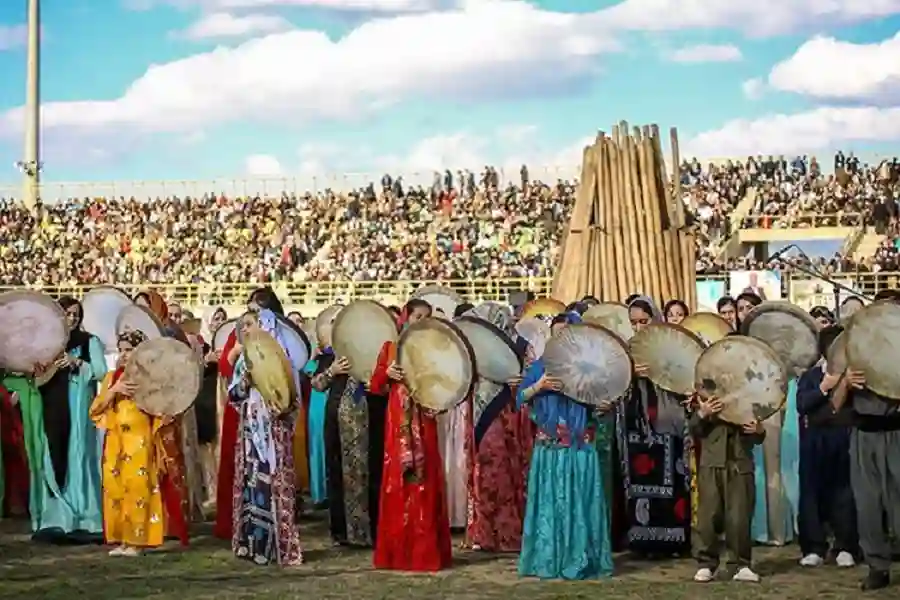
Cultural festivals in Iran are more than celebrations—they are vibrant expressions of heritage that bring together families, communities, and even entire cities. Experiencing these events provides travelers with an intimate glimpse into the beliefs, values, and artistic expressions of the Persian people. From ancient rituals to modern cultural gatherings, festivals are a vital part of Iran cultural tourism, adding rhythm, joy, and meaning to any journey through the country.
Here are some of the most captivating traditions to explore:
- Nowruz (Persian New Year): Celebrated at the spring equinox, Nowruz marks the beginning of the Persian calendar year. Families prepare weeks in advance by cleaning their homes, setting up the Haft-Sin table, and visiting relatives. The festival symbolizes renewal, harmony with nature, and the triumph of light over darkness
- Yalda Night (Shab-e Yalda): The longest night of the year, usually celebrated on December 21, is a time for families to gather, read poetry by Hafez, and enjoy seasonal fruits like pomegranates and watermelons. The festival symbolizes the victory of light as days gradually grow longer. For visitors, Yalda offers a heartwarming experience of Iranian hospitality, with storytelling, laughter, and shared traditions
- Ashura and Muharram Rituals: These religious observances commemorate the martyrdom of Imam Hussein, a pivotal figure in Shia Islamic history. The ceremonies are marked by processions, recitations of elegies, and communal gatherings. While deeply spiritual, they also provide travelers a chance to understand the role of faith and community in shaping Iranian identity
- Local and Regional Celebrations: From Kurdish New Year festivities to Turkmen horse-racing events, each region of Iran holds unique traditions. Participating in these local gatherings allows tourists to witness the diversity and richness of Iran’s cultural mosaic, making their journey even more memorable
Iranian Cuisine as a Cultural Experience
Food in Iran is not merely about sustenance—it is a profound cultural expression that embodies hospitality, tradition, and creativity. Exploring Persian cuisine is a vital part of Iran cultural tourism, as it introduces travelers to flavors and rituals that have been passed down for centuries. Every dish tells a story, blending regional ingredients with culinary techniques rooted in history. Sharing a meal with Iranians often means being welcomed like family, making the dining table a true cultural bridge.
One of the defining features of Persian cuisine is its balance of flavors. Dishes such as ghormeh sabzi (herb stew), fesenjan (pomegranate and walnut stew), and saffron-infused rice highlight the harmony of sweet, sour, and savory elements. The use of fresh herbs, spices, and fruits not only delights the palate but also reflects the Persian philosophy of nourishment and balance. For visitors, each bite is an invitation to discover Iran’s agricultural heritage and its mastery of culinary arts. Whether enjoyed in a family home or a traditional teahouse, these meals embody the richness of Iranian culture.
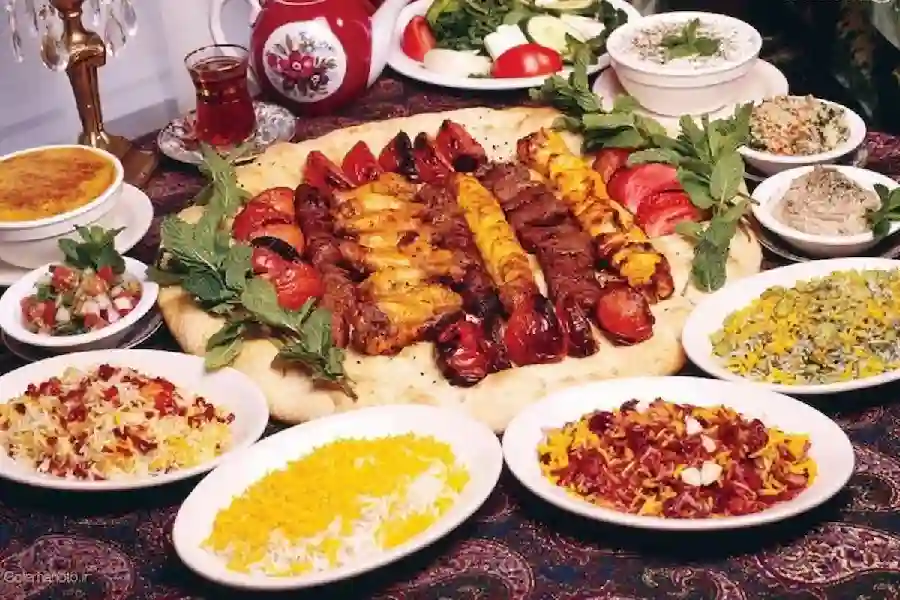
Street food and local specialties also play a vital role in showcasing diversity. In bustling bazaars, travelers can sample kebabs fresh off the grill, aromatic saffron ice cream, and traditional sweets like gaz from Isfahan or baklava from Yazd. These foods are not only delicious but also deeply tied to the regions where they are produced. Culinary traditions highlight the connection between geography and culture, showing how Iranians transform local ingredients into masterpieces. Experiencing these delicacies is another reason why Iran cultural tourism goes far beyond museums and monuments—it is also about savoring culture in every meal.
Hospitality and Daily Life: Meeting Local Communities in Iran
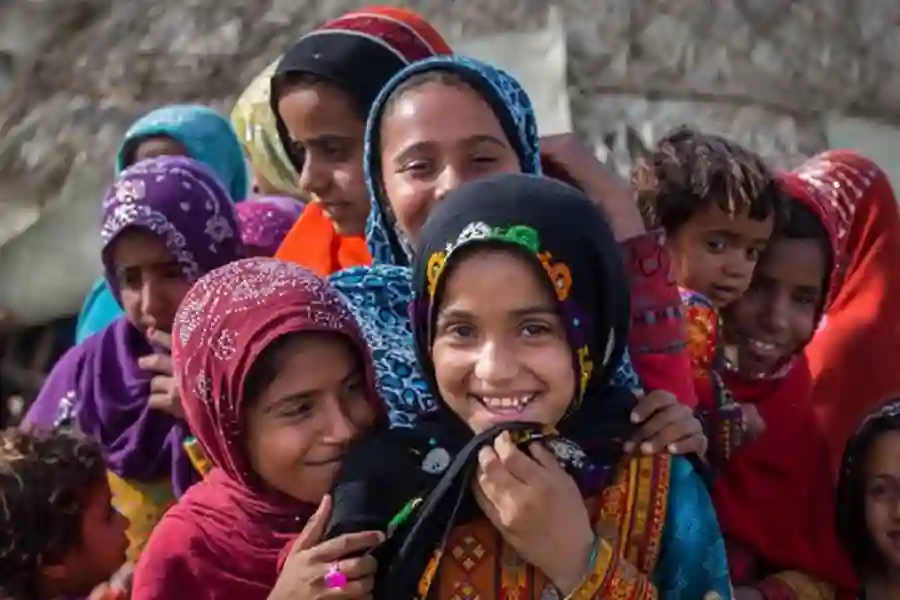
Beyond landmarks and festivals, one of the most cherished experiences in Iran cultural tourism is connecting with local communities. Iranians are renowned for their hospitality, often going out of their way to welcome guests with warmth and generosity. Visitors might find themselves invited into homes for tea, offered guidance in bazaars, or engaged in friendly conversations in parks and public spaces. This human connection often leaves travelers with unforgettable memories, as it allows them to experience the heart of Iranian culture firsthand.
Daily life in Iran is filled with traditions that emphasize family, respect, and community. Morning routines often begin with fresh bread from local bakeries, while evenings are spent in gardens or around dinner tables. Poetry recitations, music, and storytelling remain integral to gatherings, preserving a cultural continuity that stretches back centuries. For tourists, these moments of intimacy provide insight into the values that shape Iranian society, making their journey more meaningful than a simple vacation. Meeting people in their daily lives transforms a trip into a cultural exchange, reminding visitors that Iran’s greatest treasures are not only its monuments but also its people.
Museums and UNESCO World Heritage Sites of Iran
For those who want to dive even deeper into the cultural identity of Persia, museums and UNESCO-recognized landmarks are essential stops. They provide both knowledge and inspiration, making Iran cultural tourism not just enjoyable but also educational.
Here are some of the highlights every visitor should consider:
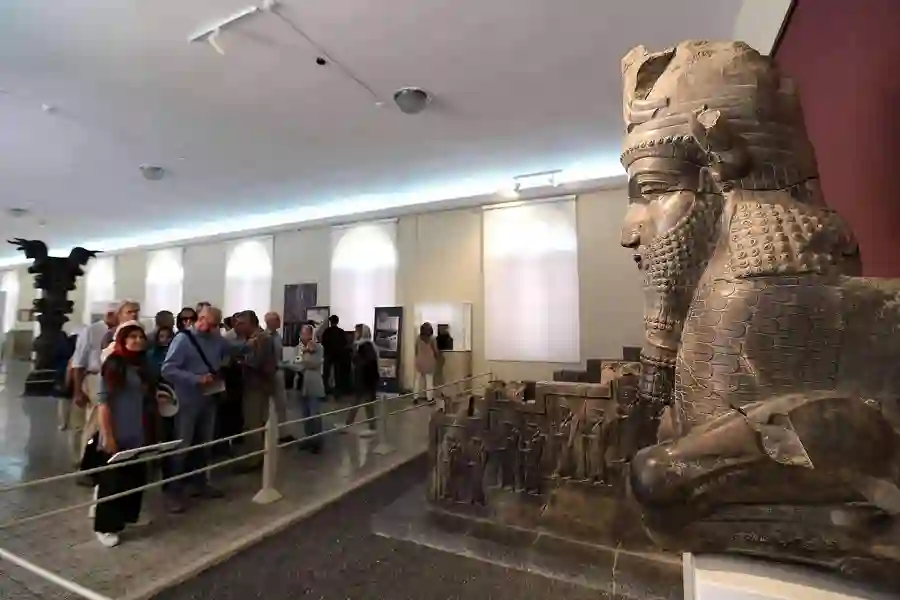
- National Museum of Iran: Home to invaluable artifacts from prehistoric, Achaemenid, and Islamic eras, offering a chronological journey through Persian history
- Golestan Palace (Tehran): A masterpiece of Qajar architecture, blending Persian tradition with European influences, and a UNESCO World Heritage site
- Yazd Historic City: A UNESCO site showcasing traditional desert architecture, wind towers, and Zoroastrian heritage
- Persepolis (Shiraz): The ceremonial capital of the Achaemenid Empire and one of the most iconic archaeological sites in the world
- Tabriz Historic Bazaar Complex: Among the oldest bazaars in the Middle East, still vibrant with trade and cultural exchange
- Sheikh Safi al-Din Ensemble (Ardabil): A significant Sufi shrine, featuring stunning tilework and historical manuscripts
Practical Tips for Cultural Tourists Visiting Iran
Traveling to Iran can be one of the most rewarding journeys for those who want to experience authentic heritage, but preparation is key. Understanding local customs, cultural etiquette, and travel regulations can help you enjoy your trip without unnecessary challenges.
For instance, dress codes are an important part of daily life in Iran, especially for women, who are expected to wear headscarves and modest clothing in public. Men are advised to avoid shorts in public areas. Additionally, learning a few basic Persian phrases can go a long way in connecting with locals, who deeply appreciate the effort and will often respond with kindness and enthusiasm. Transportation within major cities is efficient with metro systems and taxis, but for long distances, domestic flights or intercity buses are convenient and affordable.
TehranOffers: Your Trusted Partner for Comfortable Stays in Tehran
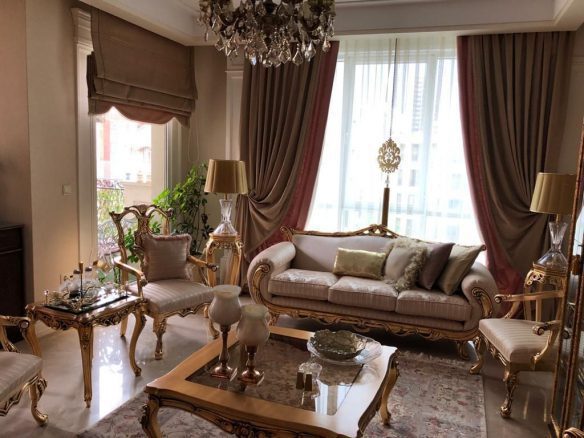
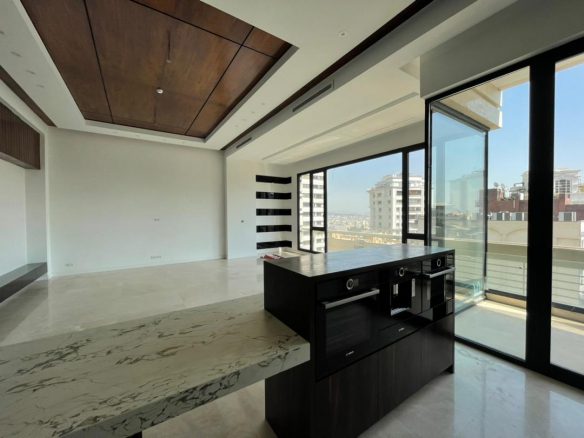
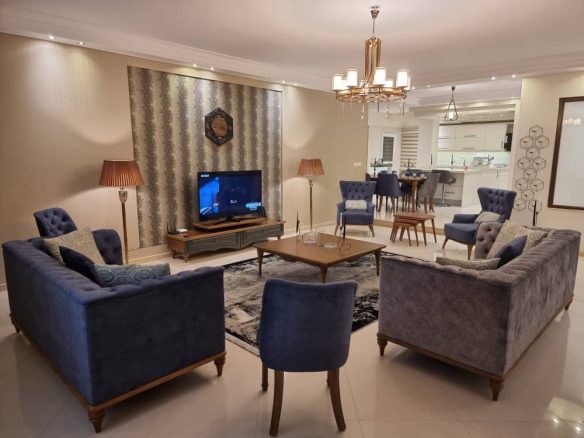
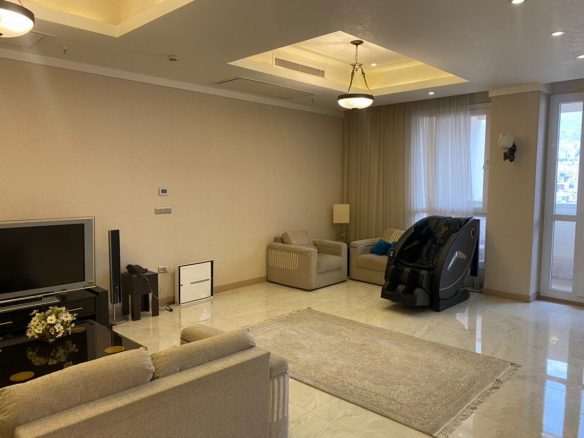
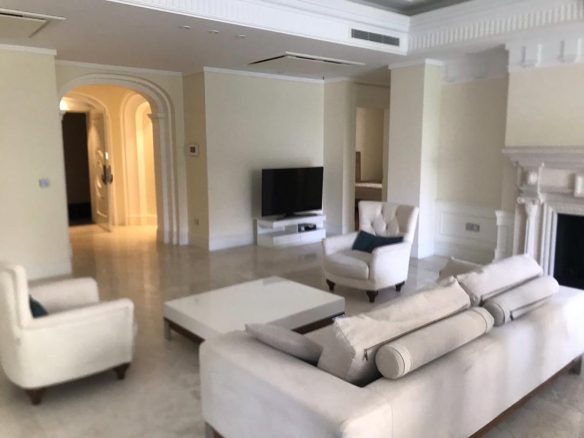
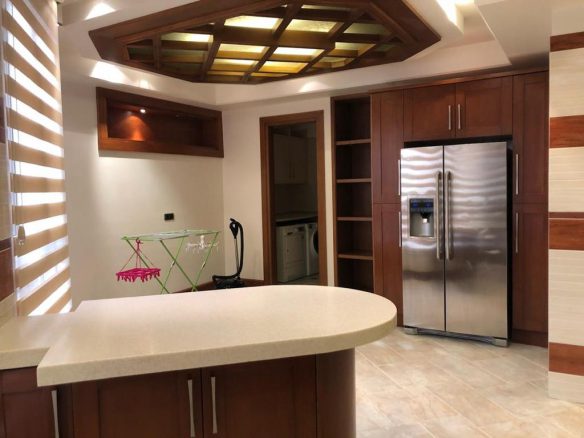
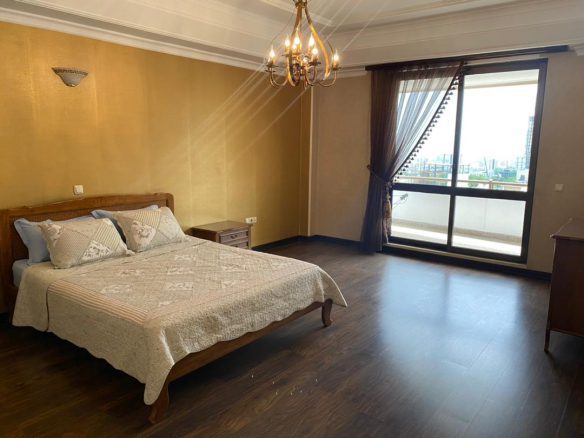
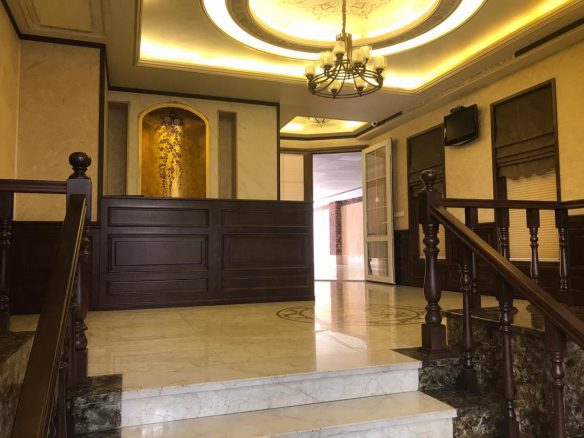
For those planning to explore Iran, having the right accommodation is just as important as the sites you visit. That’s where TehranOffers comes in. If you want to stay in Iran’s capital and need a comfortable, fully furnished unit, we provide the best rental options at affordable prices. Whether you’re looking for a modern apartment in the best neighborhoods of Tehran or a cozy space with all amenities included, you’ll find a wide selection to suit your needs.





Join The Discussion