

Navigating the Diplomatic vehicle clearance process in a new country can often feel as complex as the diplomatic missions themselves. While the prospect of driving your own vehicle in Tehran is appealing, the path is paved with specific regulations, extensive paperwork, and unique bureaucratic procedures. This guide is designed to demystify the entire journey, providing a clear and comprehensive roadmap for diplomats and international organization staff. By understanding the steps, requirements, and potential challenges, you can ensure a smooth and efficient Diplomatic vehicle clearance.
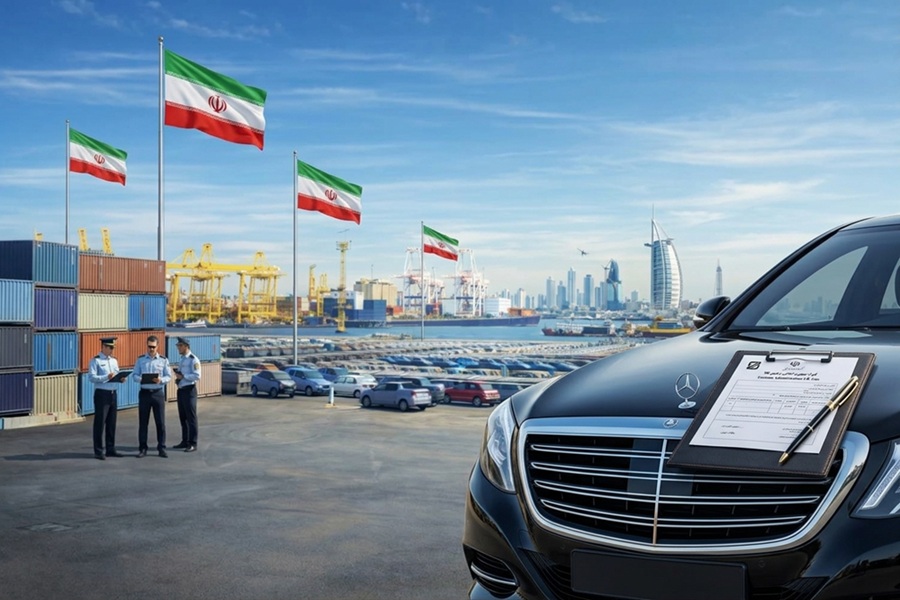
Understanding the Fundamentals of Diplomatic Vehicle Clearance in Iran
Embarking on the journey of importing a vehicle to Iran under diplomatic status requires a foundational understanding of the principles at play. This isn’t merely a shipping process; it’s a regulated procedure governed by international conventions and local laws. Grasping these fundamentals is the first step toward a successful outcome, ensuring your vehicle is legally on the road and your mission is not hindered by logistical delays related to the Diplomatic vehicle clearance.
The Critical Role of a Smooth Process for Your Mission
A swift and trouble-free Diplomatic vehicle clearance is more than a matter of convenience; it is a crucial component of your operational effectiveness in Iran. Delays can impede your ability to travel to meetings, manage daily logistics, and perform official duties efficiently. A vehicle is a vital tool for mobility and security. Ensuring its timely availability through a well-managed clearance process allows you to focus on your primary diplomatic responsibilities from day one, rather than being entangled in bureaucratic red tape. A seamless process sets a positive tone for your entire posting.
Who is Eligible for Diplomatic Vehicle Privileges in Iran?
Eligibility for importing a vehicle under diplomatic status is strictly defined. Generally, this privilege is extended to individuals accredited by the Ministry of Foreign Affairs who hold diplomatic passports. This includes ambassadors, ministers, counselors, attachés, and other high-ranking embassy staff. Additionally, senior officials of recognized international organizations, such as the United Nations and its various agencies, are typically granted similar privileges. The key determinant is the official status and the associated immunities recognized by the host country, which directly impacts the feasibility of initiating the Diplomatic vehicle clearance.
An Overview of the Legal Framework Governing Diplomatic Imports
The legal basis for diplomatic vehicle importation is rooted in the 1961 Vienna Convention on Diplomatic Relations. This international treaty provides the framework for diplomatic privileges and immunities, including exemptions from customs duties and taxes on personal articles. Iran, as a signatory, adheres to these principles. However, the Convention is implemented through national laws and regulations issued by Iran’s customs administration and Ministry of Foreign Affairs. These local rules dictate the specific procedures, documentation, and limitations involved in the Car import for diplomats, making it essential to understand both the international principles and the local application.
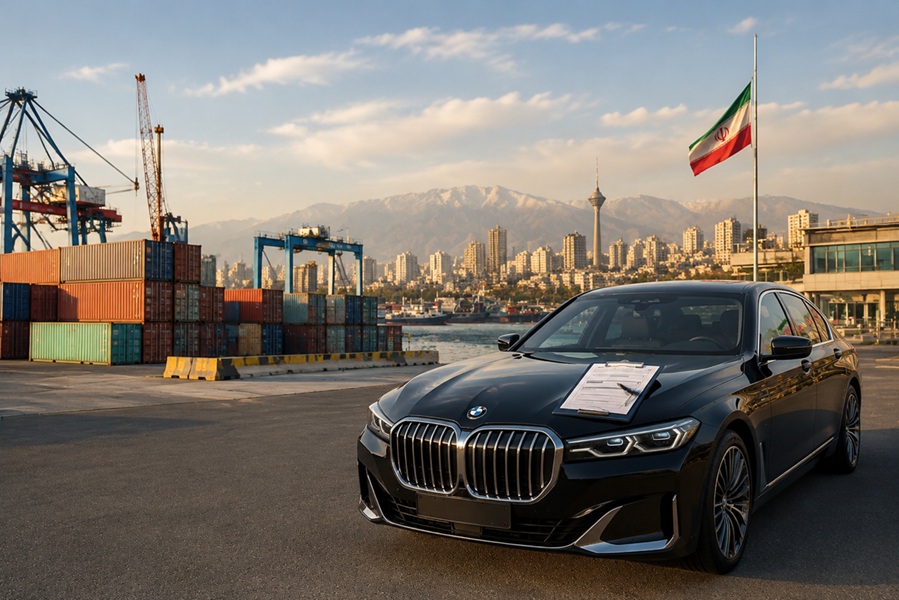
The Step-by-Step Diplomatic Vehicle Clearance Procedure
The Diplomatic vehicle clearance procedure is a sequential process that requires careful planning and execution at each stage. It can be broken down into four distinct phases, from initial preparations before the vehicle even leaves its port of origin to the moment you receive your official diplomatic license plates in Tehran. Following these steps methodically is the best way to prevent unforeseen complications and ensure a predictable timeline. Each phase has its own set of tasks and required interactions with various governmental bodies, demanding precision and attention to detail.
Phase 1: Pre-Arrival Preparations and Documentation Gathering
Success begins long before your vehicle reaches an Iranian port. The first phase involves gathering all necessary personal and vehicle-related documents. This includes securing a letter of introduction from your embassy or organization, obtaining a proforma invoice, and ensuring the vehicle’s title and registration are in order. It is also the stage where you should engage with a professional service provider like a Car Clearance Agent. Proactive preparation ensures that when the vehicle arrives, the administrative groundwork for the Diplomatic vehicle clearance is already complete, significantly speeding up the subsequent phases.
Phase 2: Vehicle Arrival and Initial Customs Inspection
Once the vehicle arrives at the designated port of entry, such as Bandar Abbas, it will be moved to a customs warehouse. At this point, a physical inspection is conducted by customs officials to verify that the vehicle’s details (VIN, engine number, specifications) match the import documents. This is a critical checkpoint. Any discrepancies can lead to significant delays. The vehicle will remain in customs custody until the formal paperwork is processed. This phase underscores the importance of accurate documentation prepared in Phase 1 for a smooth Diplomatic vehicle clearance.
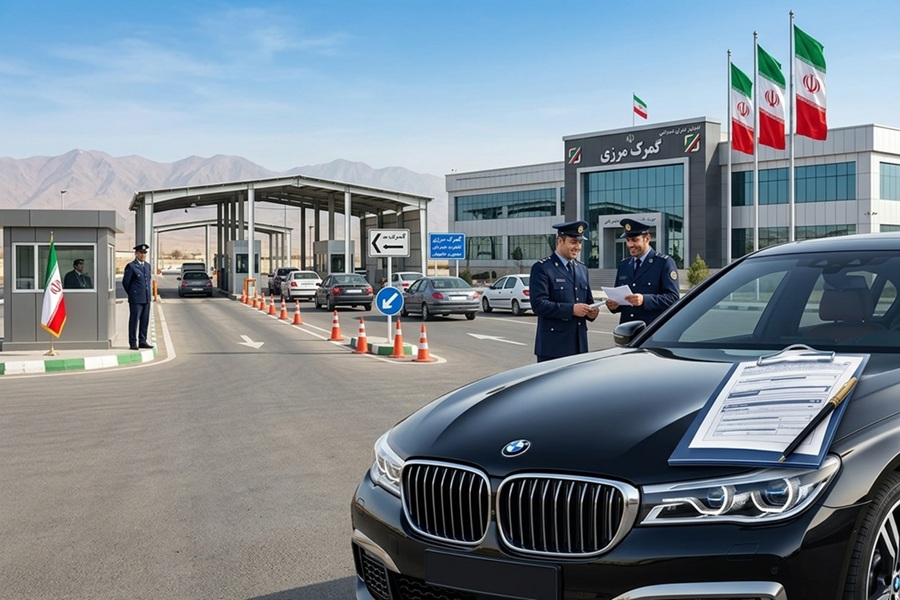
Phase 3: Navigating the Core Paperwork for Diplomatic Vehicle Clearance
This is the most document-intensive phase of the entire process. Your appointed representative will submit the complete file to Iran’s customs administration. This file includes the bill of lading, vehicle ownership documents, your diplomatic ID, and the official request from your embassy. The paperwork is reviewed by multiple departments to verify eligibility for tax exemptions and compliance with all import regulations. This is where the expertise of a Diplomatic Customs Services provider becomes invaluable, as they navigate the intricate channels of bureaucracy to secure the necessary approvals for the Diplomatic vehicle clearance.
Phase 4: Final Approval and Receiving Your Diplomatic Plates
After customs authorities grant the final release order, the process moves to the Traffic Police headquarters for vehicle registration and the issuance of diplomatic license plates. This involves another inspection to ensure roadworthiness and conformity with local standards. Once approved, you will be issued your official plates, and the vehicle will be legally registered in your name under diplomatic status. This final step concludes the Diplomatic vehicle clearance procedure, officially permitting you to use your vehicle on Iranian roads for the duration of your assignment.
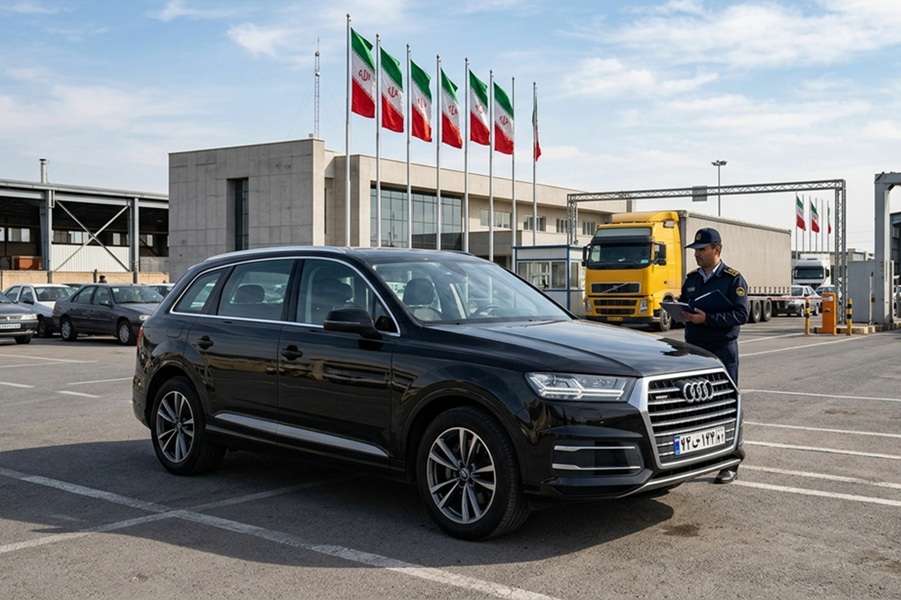
Essential Documents for a Hassle-Free Diplomatic Vehicle Clearance
The success of your Diplomatic vehicle clearance hinges almost entirely on the completeness and accuracy of your documentation. A single missing or incorrect document can halt the entire process, leading to costly delays and frustration. Organizing these documents into distinct categories—personal, vehicle, and official—can help ensure that nothing is overlooked. This systematic approach is fundamental to presenting a flawless application to the customs authorities, paving the way for a swift and efficient clearance. The following sections detail the specific files required.
Personal and Diplomatic Identification Documents
These documents serve to verify your identity and your official status in Iran, which is the basis for your eligibility for customs exemptions. You will need to provide clear copies of several key items.
The required documents are:
- Your diplomatic passport (main page and visa page)
- Your official Diplomatic ID card, issued by the Ministry of Foreign Affairs of Iran
- A valid international driving permit or a certified translation of your national driver’s license
- A copy of your official letter of appointment or assignment to Iran

Vehicle Ownership and Technical Specification Files
This set of documents pertains directly to the vehicle being imported. Customs officials use these to confirm ownership, value, and compliance with import regulations. Accuracy is paramount here, as any mismatch with the vehicle’s actual condition can create significant problems.
Ensure you have the following:
- Original Certificate of Title and/or Registration
- The commercial or proforma invoice, clearly stating the vehicle’s value
- The Bill of Lading (B/L) or Air Waybill (AWB) from the shipping company
- A detailed list of the vehicle’s technical specifications, including make, model, year, VIN, engine number, and color
Required documents for diplomatic vehicle import from the Embassy/Organization
These are the official communications that authorize the import under diplomatic privileges. These documents act as the official link between you, your mission, and the Iranian authorities, formally requesting the extension of customs privileges for your vehicle.
The key official documents include:
- An official Note Verbale from your embassy or international organization, addressed to the Iranian Ministry ofForeign Affairs, formally requesting the Diplomatic vehicle clearance
- A letter of introduction for yourself, confirming your position and duration of posting.
- The official forms provided by Iran’s customs administration, correctly filled out and endorsed by your mission’s administrative officer
- Any other supporting letters or permits required by specific regulations at the time of the Foreign Car Clearance

A Comprehensive Guide to Diplomatic Plates in Iran
Once the customs portion of the Diplomatic vehicle clearance is complete, the focus shifts to registering the vehicle and obtaining the proper license plates. Diplomatic plates are more than just a registration marker; they are a visible indicator of the vehicle’s special status and the immunities granted to its driver. Understanding the different types of plates, the process of obtaining them, and the regulations governing their use is essential for all diplomatic personnel. This knowledge ensures compliance and helps in navigating everyday situations on the road in Iran.
The Process of Getting a Diplomatic Plate in Iran
The process of Getting a Diplomatic Plate in Iran begins after customs has officially released the vehicle. The owner, or their representative, must take the complete clearance file to the national Traffic Police headquarters. Here, the vehicle undergoes a final technical inspection. Once it passes, the registration process is initiated. The submitted documents are cross-referenced, and upon approval, the plates are issued. The color and code on the plate will correspond to the owner’s specific diplomatic status and country or organization affiliation.
Understanding the Types of Diplomatic Plates and Their Designations
Not all diplomatic plates are the same. Iran uses a color-coded system to differentiate various categories of foreign representatives, which is a key part of the Diplomatic vehicle clearance knowledge base.
The system generally includes the following Types of Diplomatic Plate:
- Blue Plates (S – Sefarat): Reserved for high-ranking diplomats and heads of missions (Ambassadors). These signify the highest level of diplomatic immunity
- Green Plates (K – Khedamat): Issued to administrative and technical staff of embassies and consulates who do not hold full diplomatic rank
- Red Plates (D – Diplomat): The most common type, issued to accredited diplomats
- Yellow Plates (UN agencies): Used for vehicles belonging to the United Nations and its specialized agencies, like for UN Vehicle Clearance
The Key Difference between Diplomatic and Regular Plates
The most significant Difference between Diplomatic and Regular Plate lies in the legal immunities they represent. A vehicle with diplomatic plates is considered an extension of the embassy’s sovereign territory. This provides the driver and the vehicle with protections under the Vienna Convention, including immunity from certain traffic enforcement actions and searches. Regular plates, in contrast, offer no such privileges and are subject to all local laws and enforcement without exception. This distinction is the core reason the Diplomatic vehicle clearance process is so rigorously controlled.
Procedures for the Renewal and Replacement of a Diplomatic Plate
Diplomatic plates are issued for a specific period, often tied to the length of the diplomat’s posting. The Renewal of Diplomatic Plate is required if the assignment is extended. This typically involves submitting an updated Note Verbale from the embassy to the Ministry of Foreign Affairs and the Traffic Police. In case of theft or damage, the Replacement of Diplomatic Plate procedure must be initiated immediately. This requires filing a police report and submitting a formal request through the embassy to have a new set of plates issued, ensuring the vehicle remains legally operable.
Navigating Customs Exemptions and Fees for Diplomatic Vehicle Clearance
One of the most appealing aspects of the Diplomatic vehicle clearance is the potential for significant financial savings through exemptions. However, this process is not without its costs. Understanding the scope of the exemptions, the various fees that are still applicable, and the potential for unexpected expenses is crucial for effective financial planning. This section breaks down the financial components of the clearance process, helping you navigate the economic landscape of importing your vehicle with clarity and confidence.

A Deep Dive into Customs exemptions for diplomatic vehicles
The primary financial benefit for diplomats is the Customs exemption for diplomats. Under the Vienna Convention, accredited diplomats are exempt from paying customs duties, import tariffs, and value-added tax (VAT) on the importation of their personal vehicle. This Customs exemptions for diplomatic vehicles can result in savings of tens of thousands of dollars, depending on the value of the car. It’s important to note that this exemption is a privilege, not an automatic right, and is granted only after the diplomat’s status and the vehicle’s eligibility are thoroughly vetted by Iranian authorities during the Diplomatic vehicle clearance.
Analyzing the Diplomatic vehicle clearance fee structure
While diplomats are exempt from major taxes, the process is not entirely free. Various administrative and service fees must be paid. The Diplomatic vehicle clearance fee structure typically includes charges for port services, warehouse storage, container handling, document processing, and administrative stamps. Additionally, fees for the technical inspection and license plate issuance will apply. These costs are non-negotiable and must be paid to complete the process. A clear understanding of this fee structure is essential for budgeting accurately for the importation of your vehicle.
Common Financial Pitfalls and How to Avoid Them
Several potential financial traps can arise during the Diplomatic vehicle clearance process. The most common is extended storage fees at the port, which accrue daily if the clearance is delayed due to incomplete or incorrect paperwork. Another pitfall is underestimating the cost of ancillary services, such as transportation from the port to Tehran. To avoid these issues, it is vital to have all documents perfectly in order before the vehicle arrives and to work with a reputable Diplomatic Car Clearance Attorney who can provide a transparent and comprehensive cost estimate upfront.
Specialized Diplomatic Vehicle Clearance for International Organizations
While the general principles of Diplomatic vehicle clearance apply to most eligible individuals, the procedures for international organizations and their staff can have unique nuances. Agencies operating under the United Nations umbrella or other recognized international bodies often have their own specific host country agreements with Iran. These agreements can influence the documentation required and the channels through which clearance requests are processed. Understanding these distinctions is crucial for personnel from these organizations to ensure a smooth and compliant importation process.
UN Vehicle Clearance: Unique Protocols and Considerations
The process for a UN Vehicle Clearance is often managed centrally through the UN’s administrative office in Tehran. The request is typically channeled through the United Nations Development Programme (UNDP), which liaises with the Ministry of Foreign Affairs on behalf of all UN agencies. The documentation may require specific UN forms, such as a “Request for Privileges and Immunities,” in addition to the standard vehicle documents. The process is highly standardized but strictly follows the protocols established between the UN and the Iranian government for a successful Diplomatic vehicle clearance.
Specifics for UNICEF and UNESCO Vehicle Clearance
Agencies like the United Nations Children’s Fund (UNICEF) and the United Nations Educational, Scientific and Cultural Organization (UNESCO) fall under the broader UN umbrella but may have specific operational protocols. A UNICEF Vehicle Clearance or UNESCO Vehicle Clearance will follow the main UN procedure, but the initial request and justification will originate from the respective agency’s country director. The nature of their mission—whether humanitarian or cultural—is often highlighted in the official Note Verbale to underscore the vehicle’s importance for their work in Iran, facilitating the Diplomatic vehicle clearance.
Navigating FAO, WHO, and Red Cross Vehicle Clearance
Similar specific procedures apply to other major international bodies. A FAO Vehicle Clearance (Food and Agriculture Organization) or a WHO Vehicle Clearance (World Health Organization) will also be processed under the UN framework, with requests tailored to their missions related to agriculture and public health. The Red Cross Vehicle Clearance (for the ICRC) follows a slightly different path, as it operates under its own distinct international mandate and agreements. In all these cases, the clearance process acknowledges the organization’s special status while adhering to the host country’s core regulatory requirements.
Why Choose Tehran Offers for Your Diplomatic Vehicle Clearance?
Navigating the intricate landscape of Diplomatic vehicle clearance in Iran requires more than just a checklist; it demands experience, local knowledge, and a proactive approach. This is where a professional partner becomes indispensable. Tehran Offers has established itself as a leading provider of these specialized services, dedicated to making the transition for diplomats and their families as seamless as possible. Our deep understanding of the system, combined with a client-centric philosophy, provides a distinct advantage, turning a potentially stressful process into a straightforward experience.
Unmatched Expertise in Embassy vehicle import regulations
Our team possesses years of hands-on experience specifically with Embassy vehicle import regulations. We are not general customs brokers; our focus is entirely on the diplomatic community. This specialization means we are intimately familiar with the specific protocols of the Ministry of Foreign Affairs and the customs administration as they pertain to diplomatic imports. We stay constantly updated on any regulatory changes, ensuring your application is always compliant with the latest rules, preventing the common pitfalls that can derail a Diplomatic vehicle clearance.
Streamlined and Efficient Diplomatic vehicle clearance procedures
We have meticulously refined our Diplomatic vehicle clearance procedures to maximize efficiency and minimize delays. Our process is built on a foundation of proactive communication and meticulous preparation. We ensure every document is perfect before submission and leverage our established relationships with port and customs authorities to facilitate a smooth workflow. Our goal is to move your vehicle from the port to your driveway in the shortest possible time, allowing you to focus on what matters most—your diplomatic mission.

Transparent Communication and Proactive Updates
We believe that our clients should never be left wondering about the status of their shipment. From the moment you engage our services, we provide clear, consistent, and proactive updates. You will be assigned a dedicated case manager who will be your single point of contact, providing regular progress reports and being available to answer any questions you may have. This commitment to transparency ensures you are always informed and confident throughout the Diplomatic vehicle clearance process, eliminating uncertainty and anxiety.
A Network of Experts, Including a Dedicated Car Customs Attorney
Complex situations sometimes require specialized legal expertise. Tehran Offers maintains a robust network of professionals, including access to a highly experienced Car Customs Attorney. This allows us to handle any non-standard or challenging cases with authority and confidence. Whether it’s a dispute over vehicle valuation or a complex eligibility question, our extended team, including the best Diplomatic Car Clearance Attorney, is equipped to resolve the issue effectively, safeguarding your interests during the Diplomatic vehicle clearance.
A Proven Track Record in Minimizing the Diplomatic vehicle clearance period
Time is a critical resource for any diplomat. We understand that extended delays in receiving your vehicle can be a significant disruption. Our primary operational objective is to shorten the Diplomatic vehicle clearance period as much as possible. Our deep familiarity with the process allows us to anticipate potential bottlenecks and address them proactively. Our track record speaks for itself, with countless diplomats and international staff members benefiting from our efficient and timely service, getting them on the road faster.
Comprehensive Support with all Diplomatic vehicle clearance documents
The paperwork involved in a Diplomatic vehicle clearance can be overwhelming. We provide end-to-end support with all Diplomatic vehicle clearance documents. Our service includes vetting your existing documents for accuracy, assisting in the correct completion of all required forms, and managing the official submission process on your behalf. We take the administrative burden off your shoulders, ensuring that every piece of paper is in perfect order to guarantee a first-time approval from the relevant authorities.
Overcoming Common Challenges in the Diplomatic Vehicle Clearance Process
Even with careful planning, the Diplomatic vehicle clearance process can present a number of challenges that can test the patience of any newcomer to Iran. These hurdles often stem from the unique administrative and cultural landscape of the country. Being aware of these potential obstacles is the first step in overcoming them. By anticipating issues related to language, bureaucracy, and changing rules, you can better prepare and equip yourself to navigate the process with greater ease and confidence.
Language Barriers and Navigating Bureaucracy
One of the most immediate challenges is the language barrier. All official documents, forms, and communications with government offices are conducted in Persian. Misunderstanding a requirement or filling out a form incorrectly due to translation issues can lead to immediate rejection of your file. Furthermore, the bureaucratic structure can be complex and opaque to outsiders. Having a local expert who speaks the language fluently and understands the unwritten rules of navigating these offices is not just a convenience—it’s a necessity for an efficient Diplomatic vehicle clearance.
Staying Compliant with Evolving Regulations
Customs and import regulations are not static; they can and do change, sometimes with little advance notice. A procedure that was standard last year may be different today. Relying on outdated information is a common mistake that leads to significant delays. Staying compliant requires constant monitoring of directives from the customs administration and the Ministry of Foreign Affairs. This is a key area where professional Diplomatic Customs Services provide immense value, as it is their business to stay on top of these changes for every Diplomatic vehicle clearance.
The Strategic Value of Professional Diplomatic Car Clearance Consulting
Given the array of challenges, attempting the Diplomatic vehicle clearance process independently is a significant risk. The strategic value of engaging in professional Diplomatic Car Clearance Consulting cannot be overstated. A consultant acts as your guide and advocate, leveraging their expertise to preempt problems before they arise. They manage the entire process on your behalf, from document preparation to final plate issuance, transforming a complex and stressful ordeal into a predictable and managed project, ensuring a successful outcome.
Your Partner for a Seamless Diplomatic Vehicle Clearance in Tehran
The journey of importing your vehicle to Iran is intricate, with numerous steps and strict regulatory requirements. As this guide has shown, a successful Diplomatic vehicle clearance demands meticulous preparation, deep institutional knowledge, and professional oversight. Attempting to navigate this complex process alone can lead to unnecessary delays and stress, detracting from your important diplomatic work. Tehran Offers is here to ensure that your experience is defined by efficiency, transparency, and peace of mind. Let our experts handle the complexities. Contact us today to schedule a consultation and begin your smooth and successful Diplomatic vehicle clearance.
Frequently Asked Questions
How long does the diplomatic vehicle clearance typically take?
The Diplomatic vehicle clearance period can vary, but with all documents in order, it typically takes between 3 to 6 weeks from the vehicle’s arrival at the port to receiving your plates in Tehran.
Can I sell my diplomatic vehicle in Iran?
Selling a diplomatically imported vehicle to a non-diplomat requires paying all the previously exempted customs duties and taxes. The process is complex and heavily regulated.
What if my documents are not in Persian?
All key documents, such as your driver’s license or vehicle registration, must be accompanied by an official, certified translation into Persian to be accepted by the authorities.
Is the clearance fee a flat rate?
No, the total Diplomatic vehicle clearance fee is not a flat rate. It depends on various factors, including the port of entry, the size of the vehicle, and the duration of warehouse storage.
Do UN staff follow the exact same process?
The core principles are the same, but the UN Vehicle Clearance process is channeled through UN-specific administrative offices, which liaise with the government on their behalf.
What happens to the car when my mission ends?
Upon completion of your mission, you must either re-export the vehicle out of Iran or go through the official process to transfer its ownership, which may involve paying taxes.














Join The Discussion