

Understanding embassy vehicle import regulations is the first essential step for foreign diplomats and international mission staff relocating to Tehran. Bringing a personal or official automobile into the country offers unmatched comfort, security, and mobility during an extended diplomatic assignment. However, navigating Iranian customs laws, ministerial approvals, and environmental standards requires precise legal knowledge and careful preparation. Even minor administrative errors can result in frustrating port delays or unexpected storage fees at customs terminals. This authoritative guide simplifies the entire legal process so your mission can comply effortlessly with current embassy vehicle import regulations.
Core Legal Frameworks Governing Embassy Vehicle Import Regulations
Foreign missions operating in Tehran are subject to a specific intersection of international diplomatic treaties and domestic Iranian trade laws. While the Vienna Convention on Diplomatic Relations grants broad privileges to accredited envoys, the host country retains the right to regulate how goods enter its territory. Consequently, adhering to embassy vehicle import regulations requires close coordination with both the Iranian Ministry of Foreign Affairs and the Islamic Republic of Iran Customs Administration. Understanding these foundational rules ensures that foreign delegates select eligible automobiles and secure the necessary permits before shipping any vehicle toward Iranian borders.
Ministry of Foreign Affairs Protocol and Bilateral Reciprocity
The General Department of Protocol at the Iranian Ministry of Foreign Affairs oversees all automotive privileges granted to foreign embassies, consulates, and international organizations. Under Iranian law, the right to import duty-free automobiles relies heavily on the principle of bilateral reciprocity between Tehran and the sending state. Strictly following embassy vehicle import regulations means verifying your mission’s exact vehicle quota and your personal diplomatic status before initiating any overseas shipping contract. Before shipping a vehicle to Iranian ports, accredited diplomats must fulfill these core eligibility criteria:
- Possession of a valid diplomatic passport and an official Iranian diplomatic identity card
- Written authorization from the head of the diplomatic mission confirming the import quota
- Verification of bilateral reciprocity agreements through the Ministry of Foreign Affairs protocol office
- Submission of complete shipping manifests prior to the automobile arriving at Iranian customs
Technical Standards and Environmental Compliance in Iran
While foreign missions are generally exempt from the strict commercial import bans and engine volume caps imposed on ordinary Iranian citizens, certain technical rules still apply. The Iranian Department of Environment and the Institute of Standards require imported automobiles to meet recognized international safety and emission benchmarks. Reviewing embassy vehicle import regulations early helps diplomats avoid purchasing vehicles that lack regional service support or compatible fuel specifications inside the country. Furthermore, importing right-hand-drive vehicles is strictly prohibited on Iranian roads unless granted an extraordinary, temporary protocol exemption by the cabinet.
Step-by-Step Customs Process Under Embassy Vehicle Import Regulations
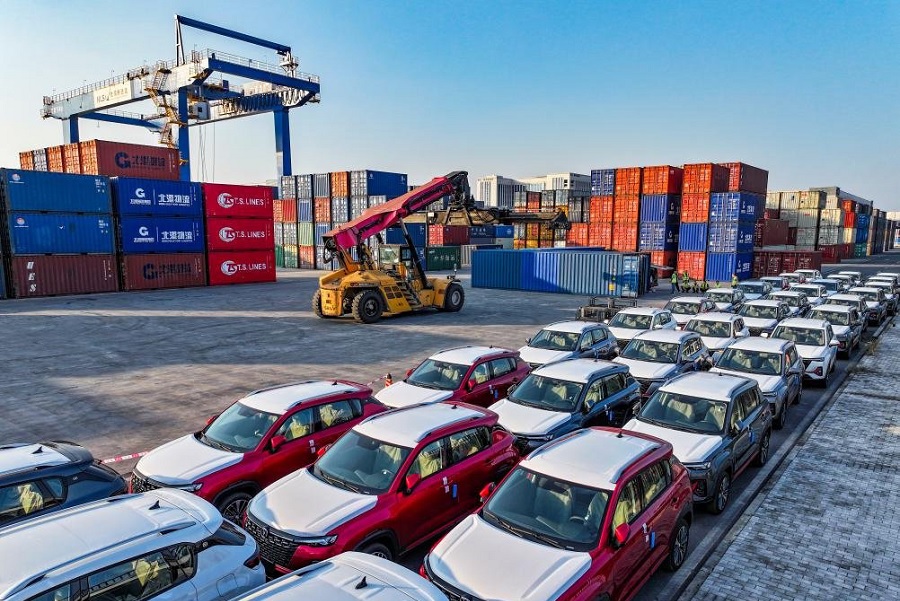
Once a vehicle arrives at an Iranian entry point, such as Bandar Abbas or the Tehran West Customs terminal, the formal administrative clearance begins. Navigating the bureaucratic transition from port arrival to legal road registration requires meticulous attention to detail and accurate Persian documentation. Diplomats who follow embassy vehicle import regulations carefully can transition their automobiles through customs inspection without unnecessary bureaucratic bottlenecks. Professional handling of Diplomatic vehicle clearance ensures that every ministerial permit aligns seamlessly with electronic customs declarations, protecting the embassy from costly port demurrage charges.
Essential Documentation and Customs Duty Exemptions
To benefit from full customs duty and commercial tax exemptions under Chapter 98 of the Iranian Customs Tariff Law, missions must submit a comprehensive dossier. The Ministry of Foreign Affairs issues an official exemption letter directly to the customs authority after reviewing the vehicle’s shipping documents. Complying with embassy vehicle import regulations at this stage requires exact matching between the vehicle identification number, the bill of lading, and the proforma invoice. To finalize the customs exemption dossier, missions must prepare the following mandatory documents:
- Official Note Verbale issued by the embassy requesting duty-free customs entry
- Original Bill of Lading, packing list, and verified manufacturer certificate of origin
- Valid international marine or transit insurance policy covering the territory of Iran
- Formal tax exemption permit approved by the Ministry of Foreign Affairs protocol department
Diplomatic License Plate Registration and Resale Rules
After the automobile clears customs, it must be inspected and registered by the Iranian Traffic Police to receive distinctive blue diplomatic license plates, marked with the letters D or S. According to embassy vehicle import regulations, these vehicles remain under temporary or conditional customs bond throughout the diplomat’s tenure in Iran. If a diplomat wishes to sell the vehicle locally upon completing their mission, transferring ownership toanother accredited diplomat is straightforward and duty-free. However, selling the vehicle to an Iranian citizen requires cabinet authorization and full payment of applicable customs duties.
Master Embassy Vehicle Import Regulations Easily with Tehran Offers
Handling complex ministerial paperwork, port logistics, and police registration while managing daily diplomatic duties can quickly become overwhelming for foreign mission staff. At Tehran Offers, we specialize in guiding embassies, consulates, and expatriates through every phase of embassy vehicle import regulations in Iran. From shipping coordination and customs release to final diplomatic license plate registration, our bilingual legal experts handle the entire process on your behalf. Contact our dedicated automotive protocol team to import and clear your diplomatic vehicle in Iran quickly, legally, and stress-free.
Frequently Asked Questions
Are diplomatic vehicles exempt from Iranian customs duties under embassy vehicle import regulations?
Yes, accredited diplomats and foreign missions enjoy full exemption from Iranian customs duties and commercial taxes, provided they observe bilateral reciprocity rules and official ministerial quotas.
Can diplomats import cars with engine sizes above 2500cc into Iran?
Yes, unlike commercial imports for local citizens, diplomatic missions can import luxury vehicles above 2500cc subject to Ministry of Foreign Affairs protocol approval and quota limits.
What happens to a diplomatic car when a diplomat’s mission in Iran ends?
The diplomat must either re-export the vehicle out of Iran, transfer ownership to another eligible diplomat, or obtain special permission to pay customs duties for local sale.











Join The Discussion