

Arriving in Tehran for a diplomatic assignment is exciting, but navigating logistics can be complex. The vehicle import process is a prime example. Success does not depend on the car itself, but on the precision of your paperwork. These files act as the legal key to unlock every stage, from customs clearance to final registration. This guide serves as your definitive checklist, ensuring you have all the required documents for diplomatic vehicle import organized for a smooth journey.
Why Are the Required Documents for Diplomatic Vehicle Import So Critical?
Understanding the importance of this paperwork is the first step toward a hassle-free import. These files are the legal foundation of the entire process. They serve as the official line of communication between your embassy, the Iranian Ministry of Foreign Affairs (MFA), and customs. Each paper verifies your identity, diplomatic status, and your vehicle’s compliance with regulations.
Satisfying MFA and Customs Regulations
The process is governed by a strict legal protocol. The MFA must confirm your eligibility for tax-free import privileges, while customs needs proof that the vehicle meets all import criteria and is legally owned by you. Paperwork provides this verifiable proof. Without the correct files presented properly, officials must halt the process immediately.
Proving Your Eligibility and Status
Your diplomatic status is what grants you the privilege of a tax-exempt vehicle import. Documents like your diplomatic passport, official ID, and embassy letters are legal instruments. They prove you are entitled to the benefits outlined in the Vienna Convention. This verification is the primary concern of the MFA before issuing the import permit.
The Cost of Paperwork Errors
A single missing signature, a mismatched vehicle identification number (VIN), or an expired document can bring your shipment to a standstill. This can result in costly storage fees, known as demurrage. It also adds weeks to your timeline. Being meticulous from the start is the most effective way to prevent these frustrating delays.
The Core Checklist Part 1: Personal and Diplomatic Dossier
This first set of documents revolves around you, the diplomat. Its purpose is to establish your identity, confirm your assignment in Iran, and secure the formal authorization needed to proceed. Each piece of paper validates your request and proves to the authorities that you are acting within the established diplomatic protocols.
Your Diplomatic Passport and Identification
You will need clear copies of your diplomatic passport, your Iranian residency permit, and the diplomatic ID card provided by the Iranian MFA. These items confirm your identity and legal presence in the country as an accredited member of the diplomatic corps.
The Import Permit (Mojavez) from the MFA
This is the single most critical document in the process. Before shipping your car, your embassy must apply to the MFA for an import permit, known locally as a “Mojavez.” This document officially grants you permission to import a specific vehicle. Without the original Mojavez, customs cannot clear your car.
To support your application for the Mojavez, you need an official letter from your embassy. This letter should confirm:
- Your full name and official title
- The duration of your assignment in Iran
- A formal request for the vehicle import permit
- Confirmation of your diplomatic privileges
The Core Checklist Part 2: Vehicle-Specific Documentation
Once your personal status is verified, the focus shifts to the vehicle itself. This category of paperwork is all about proving the car’s identity, ownership, and compliance with regulations. These documents provide a complete history of the vehicle and are carefully checked by customs officials to ensure they match your import permit.
Proving Ownership: Title, Registration, and Bill of Sale
You must provide clear proof that the vehicle belongs to you. This is accomplished with the original vehicle title and registration documents from the country where it was last registered. Additionally, the original purchase invoice or a notarized Bill of Sale is required to show the transfer of ownership.
Shipping and Transit Paperwork
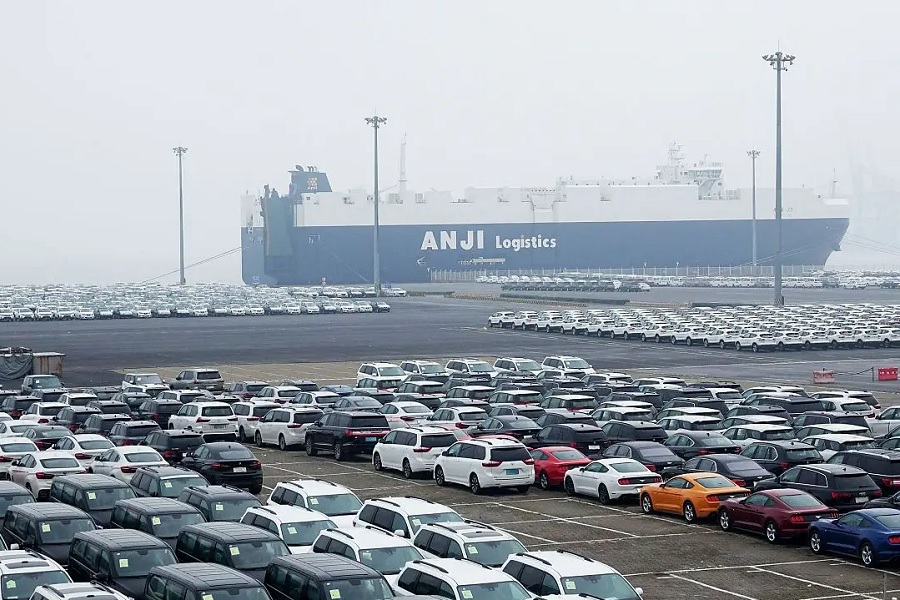
When you ship the car, the freight company issues a Bill of Lading (B/L). This document acts as a receipt for the shipment and is essential for claiming your vehicle at the port. You will also need proof of valid international marine insurance covering the vehicle during transit.
Technical Compliance and Specifications
These documents detail the car’s technical profile. They are crucial for checking compliance with local standards. You will need:
- The Certificate of Origin, stating where the vehicle was manufactured
- A technical data sheet listing the engine size, model year, and VIN
- Proof that the vehicle complies with engine size caps (2500cc)
Common Pitfalls in Preparing the Required Documents for Diplomatic Vehicle Import
Even organized individuals can fall into common traps when gathering paperwork. Being aware of these potential issues ahead of time saves you from significant headaches during customs clearance. These mistakes are often small but can cause disruptions that ripple through your entire relocation timeline. Meticulous checking is your best defense.
Mismatched Information Across Documents
Inconsistency is a major issue. The Vehicle Identification Number (VIN), your name, and other key details must be absolutely identical across every single document, including the Bill of Sale, Bill of Lading, and import permit. A single-digit error in a VIN can lead to an immediate customs rejection.
The Need for Original Physical Copies
While digital copies are useful, Iranian customs require original, physical copies of key documents. This includes the vehicle title, Bill of Lading, and the Mojavez. Relying solely on photocopies or scans is a common mistake that will halt the clearance process immediately.
Translation and Notarization Requirements
If your documents are not in English or Persian, they must be translated by a certified translator. In some cases, documents like a Bill of Sale might also require notarization to be legally valid. Check these requirements in advance to avoid last-minute delays.
Life After Import: Disposal and Exit Paperwork
The need for precise documentation does not end once your car is on the roads of Tehran. When your diplomatic assignment concludes, you must follow a strict protocol for the vehicle’s disposal. This process is heavily document-driven, ensuring the car either leaves the country or is legally transferred.
Documentation for a Legal Transfer
If you choose to sell your car in Iran, you can only do so to another diplomat with the same privileges. This requires a formal application to the MFA, including a letter from the buyer’s embassy, your original ownership documents, and a formal request to transfer the registration.
Preparing the Re-Export Permit
The more common path is re-exporting the vehicle. To do this, you must apply for a re-export permit from the MFA. You will need your vehicle’s diplomatic registration card (kart-e mashin) and a letter from your embassy. This permit is presented to customs to clear the vehicle for exit.

Let Tehran Offers Manage Your Required Documents for Diplomatic Vehicle Import
Compiling the paperwork is a meticulous and high-stakes task. From securing the initial Mojavez to ensuring every VIN matches across all paperwork, the margin for error is slim. At Tehran Offers, we transform this complexity into a simple, streamlined experience. Our team specializes in handling the entire documentation process for the diplomatic community, ensuring accuracy and efficiency every step of the way.
Let our relocation experts handle the details. Contact us today to ensure your vehicle import is managed professionally, allowing you to enjoy your privileges without the administrative burden.
Frequently Asked Questions (FAQ)
Do my personal documents need to be translated into Persian?
Generally, documents like diplomatic passports are accepted in their original form. However, supporting documents not in English or Persian may require official translation. It’s best to confirm this beforehand.
What is the most common document-related mistake to avoid?
The most frequent error is inconsistent information, especially a mismatched Vehicle Identification Number (VIN) or name spelling across different documents. Meticulous proofreading is essential to avoid this.
Can I use photocopies for customs clearance?
No. For critical documents like the vehicle title, Bill of Lading, and the original import permit (Mojavez), Iranian customs require the original physical copies, not photocopies or digital scans.














Join The Discussion